





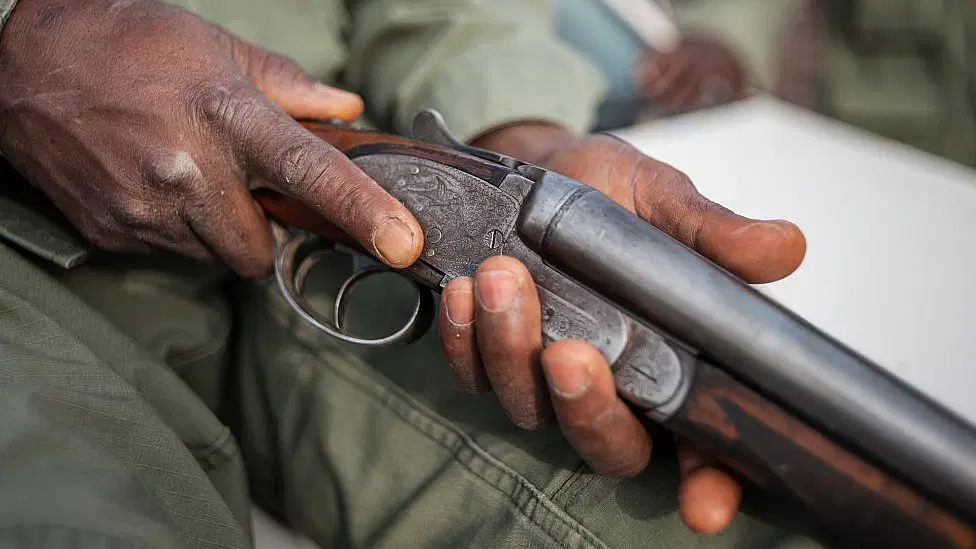
Leaders from Middle Belt organisations and farmer groups have expressed support for a recommendation that Nigerian farmers be permitted to carry arms for self‑defence against violent attacks, citing persistent killings and destruction of property in rural communities.
The reactions follow recommendations by a United States congressional panel that visited Nigeria to examine terrorism and security challenges.
Among its proposals was technical support to reduce violence by armed groups and lawful self‑defence for farmers facing repeated attacks.
The 1999 Constitution of Nigeria does not expressly grant citizens the right to bear arms. Firearm possession is governed by the Firearms Act, which restricts unlicensed firearm ownership and classifies it as a criminal offence.
Licenses for certain weapons may be issued at the discretion of the President or the Inspector‑General of Police.
Middle Belt Forum leaders and members of Mzough U Tiv Worldwide welcomed the recommendation for farmers to carry licensed arms.
National President of the Middle Belt Forum, Dr. Bitrus Pogu, said the organisation has long advocated that communities should not remain defenseless amid attacks and emphasized the importance of a structured defence mechanism supported by government.
Chief Iorbee Ihagh, President General of Mzough U Tiv Worldwide and Chairman of the Benue Tribal Leaders, also endorsed the proposal, stating that farmers should be allowed to protect themselves against violent threats.
Philip Ajomuiwe, former South East Chairman of the Cassava Producers Association of Nigeria and traditional ruler of Oriendu Autonomous Community in Umuahia North, voiced support for the recommendation, describing it as timely given repeated attacks on farms and destruction of crops.
The support from Middle Belt and farming leaders highlights ongoing concern over rural insecurity and the safety of agricultural communities.
The discussion reflects calls for clearer policies on community protection and engagement with existing legal frameworks governing firearm possession.