






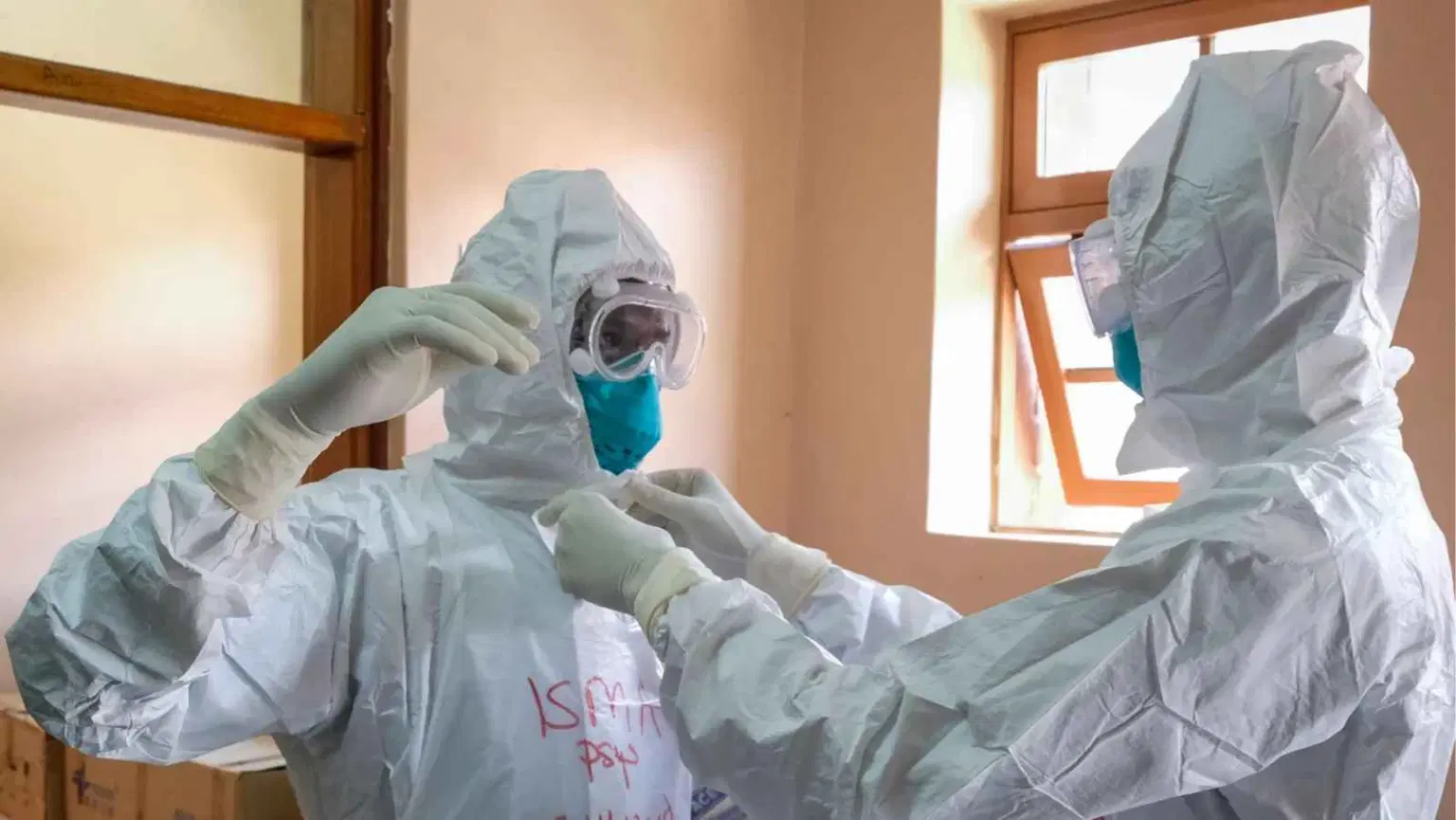
The World Health Organization has raised concern over increasing Ebola cases in the Democratic Republic of Congo and Uganda, warning that continued transmission could place additional pressure on public health systems in the region. The agency said health authorities in both countries are intensifying surveillance, treatment, and containment efforts as the number of confirmed Ebola cases continues to draw international attention.
Ebola virus disease remains one of Africa’s most serious infectious disease threats due to its high fatality rate and potential for rapid transmission. The disease spreads through direct contact with infected bodily fluids and has historically triggered major public health emergencies across parts of Central and East Africa.
The Democratic Republic of Congo has experienced several Ebola outbreaks over the past decade, while Uganda has also faced periodic cases linked to cross-border transmission and regional movement. International health agencies have continued to monitor developments closely because of the possibility of wider regional spread.
The latest warning from the World Health Organization comes amid ongoing efforts by national authorities and global health partners to strengthen emergency response systems, laboratory testing, vaccination campaigns, and public awareness.
According to the WHO, recent increases in Ebola cases have prompted renewed emergency monitoring and response activities in affected communities. Health officials said rapid identification of infected persons and contact tracing remain critical to limiting further spread of the disease.
The organisation noted that healthcare workers are working to isolate confirmed patients while monitoring individuals who may have had contact with infected persons. Authorities in both countries are also increasing community engagement efforts to improve public understanding of prevention measures.
WHO officials warned that delayed detection and weak healthcare access in some affected areas could complicate containment efforts. The agency stressed that sustained international support would remain necessary to strengthen outbreak management capacity and protect frontline health workers responding to the crisis.
The agency further stated that cross-border coordination between DR Congo and Uganda was essential because population movement could increase the risk of additional Ebola cases being recorded in neighbouring communities. Public health experts have also continued to emphasise vaccination, rapid testing, hygiene practices, and public cooperation as key tools in controlling Ebola cases during outbreaks.
The rise in Ebola cases carries major implications for healthcare systems, regional mobility, and humanitarian operations in Central and East Africa. Public health emergencies linked to Ebola outbreaks often affect economic activities, trade, and access to healthcare services in vulnerable communities.
Health authorities also face pressure to prevent panic while ensuring that accurate information reaches the public. International agencies have repeatedly stressed the importance of coordinated surveillance and emergency preparedness to avoid wider transmission across borders.
The development reinforces concerns about the continuing threat posed by infectious disease outbreaks in regions with fragile healthcare infrastructure.