





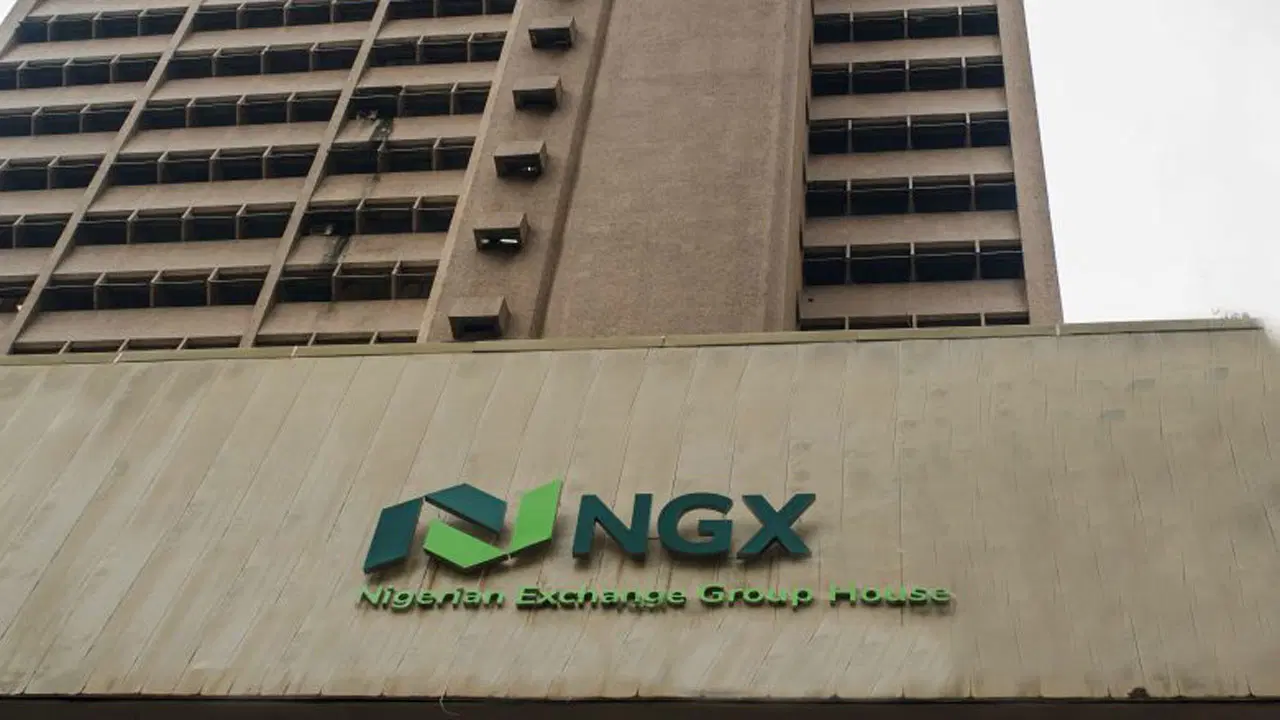
The Nigerian Exchange Group Plc, NGX Group, has called for stronger capital market integration within Nigeria’s monetary policy framework, arguing that deeper coordination between monetary authorities and the capital market could improve economic growth, investment mobilisation, and financial system efficiency. The appeal was made during discussions on the role of the capital market in supporting national economic objectives. According to the Group, greater capital market integration would help align long-term investment financing with broader macroeconomic policy goals.
Nigeria’s monetary policy framework has traditionally focused on inflation management, exchange rate stability, liquidity control, and broader financial system stability. These objectives are primarily pursued through policy measures implemented by the Central Bank of Nigeria, CBN.
Market operators, however, have increasingly advocated for a broader approach that recognizes the role of capital markets in economic development. The capital market serves as a platform through which governments and businesses raise long-term funds for infrastructure, industrial expansion, innovation, and other productive investments.
The call comes at a time when policymakers are seeking new pathways to support economic expansion, improve investment flows, and strengthen financial market resilience amid evolving domestic and global economic conditions.
Speaking at the 2025 Chartered Institute of Stockbrokers National Workshop in Abuja, the Group Managing Director and Chief Executive Officer of NGX Group, Temi Popoola, emphasized the need for stronger capital market integration into the formulation and implementation of monetary policy.
Represented by the Divisional Head, Capital Markets at NGX Group, Jude Chiemeka, Popoola stated that monetary policy should not be viewed solely through the lens of short-term liquidity management but should also incorporate mechanisms that support long-term capital formation and investment.
According to him, integrating capital market considerations into policy decisions would improve the allocation of financial resources and create a more balanced financial ecosystem capable of supporting sustainable economic development.
He noted that developed economies often leverage capital markets as important channels for transmitting economic policy objectives and mobilizing investment capital. He argued that Nigeria could derive similar benefits through stronger coordination between regulators, policymakers, and market institutions.
Popoola also highlighted the importance of creating an enabling environment that encourages participation from domestic and international investors. He stated that a well-functioning capital market can support business growth, infrastructure financing, and job creation while contributing to broader economic stability.
The NGX Group chief further stressed the need for policies that encourage innovation, improve market liquidity, deepen investor confidence, and strengthen market infrastructure. He said these measures would enhance the effectiveness of capital market integration within the wider financial system.
The call for stronger capital market integration reflects ongoing discussions about the role of financial markets in supporting Nigeria’s economic transformation agenda. Analysts note that deeper collaboration between monetary authorities and capital market institutions could improve access to long-term financing for businesses and government projects.
Such coordination may also support efforts to diversify funding sources, reduce reliance on short-term financing instruments, and strengthen the capacity of financial markets to contribute to economic growth. The proposal aligns with broader initiatives aimed at deepening Nigeria’s financial markets and attracting greater investment participation.