






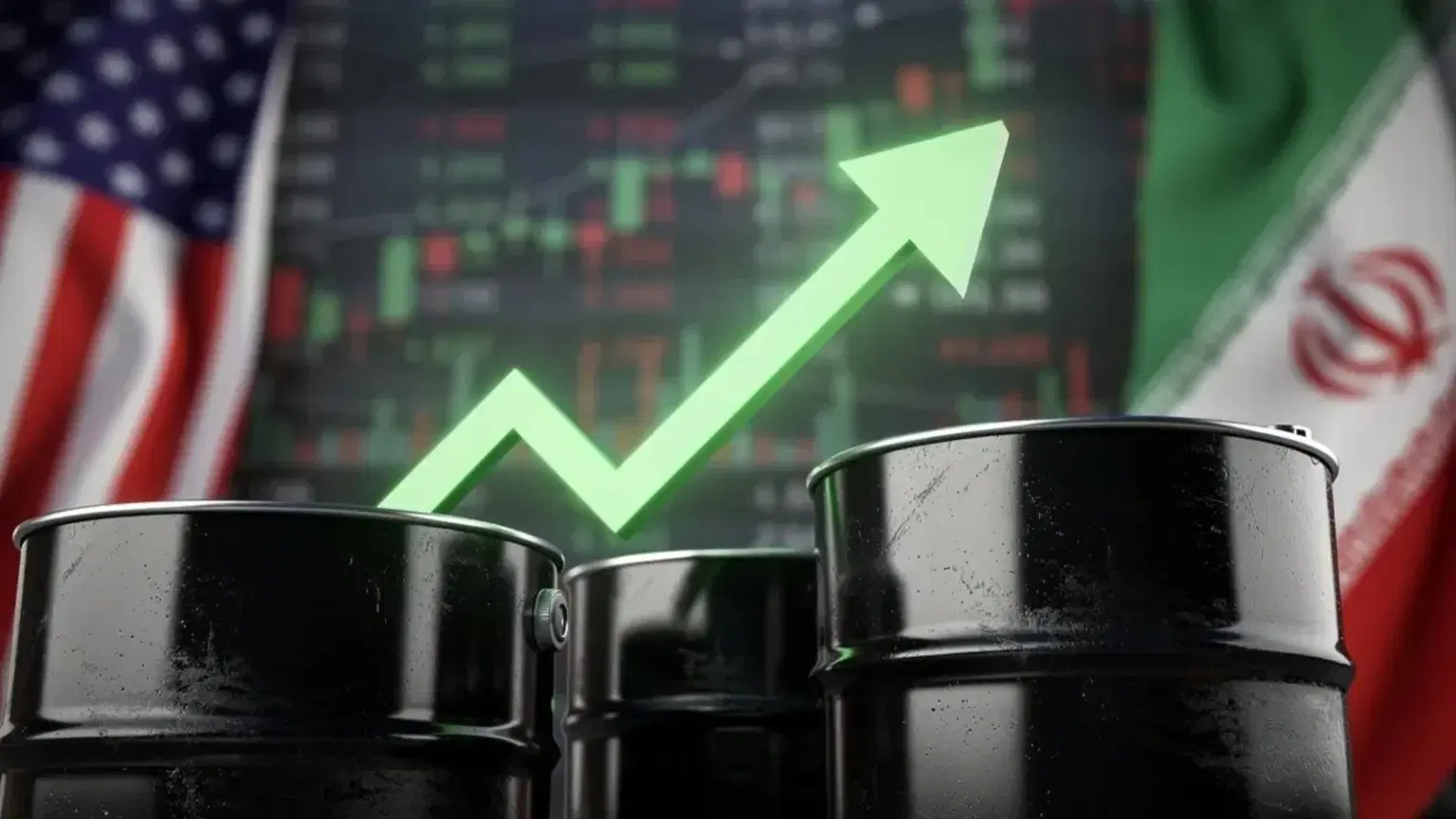
The oil price rises to $108 per barrel in the international market as tensions persist in the Middle East, with Iranian officials rejecting a United States proposal aimed at ending the ongoing conflict.
The increase reflects a 5.98 percent rise recorded amid continued uncertainty over supply disruptions and stalled diplomatic efforts.
The development underscores the sensitivity of global energy markets to geopolitical developments.
The rise in crude oil prices comes within the context of an ongoing conflict involving Iran and a United States-backed alliance.
The crisis has affected key oil transit routes and raised concerns about supply stability in global markets.
Earlier in the week, oil prices had shown a temporary decline following remarks by US President Donald Trump indicating that discussions were underway with Iran to resolve the conflict.
Prices dropped from $103 to $98 per barrel after the announcement, reflecting market expectations of a potential diplomatic breakthrough.
However, the situation shifted as Iranian officials dismissed the proposed framework for ending hostilities, resulting in renewed market uncertainty and upward pressure on prices.
Market data showed that the oil price rises to $108, specifically reaching about $108.3 per barrel, marking a sharp rebound following earlier declines.
The increase was driven by Iran’s rejection of a 15-point peace plan proposed by the United States.
According to Iranian officials, the proposal was considered “one sided, unfair and skewed to favour US and Israel,” indicating dissatisfaction with the structure and terms of the plan.
A senior Iranian official, speaking to Reuters, stated that while diplomacy had not been ruled out, there was currently a “lack, for now, of a realistic plan for peace talks.”
The ongoing conflict has continued to affect global energy supply expectations, particularly as the region remains central to crude oil production and export routes.
Rising tensions have sustained volatility in oil markets, with prices responding quickly to developments in negotiations and military activity.
The increase in global crude prices has had implications for domestic fuel pricing in Nigeria.
Data from the report showed that the Nigerian National Petroleum Company Limited (NNPC Ltd.) was selling petrol at N1,261 per litre in Abuja, while major marketers dispensed at about N1,371 per litre.
This marks a significant rise compared to pre-crisis levels when NNPC sold at about N860 per litre and major marketers at N880 per litre. The changes reflect the linkage between international crude oil prices and domestic fuel costs.
The development where the oil price rises to $108 highlights the continued vulnerability of global energy markets to geopolitical tensions.
Sustained increases in crude prices can influence inflation, transportation costs, and broader economic activity across both developed and developing economies.
For Nigeria, higher global oil prices may support government revenue projections but also contribute to increased domestic fuel costs, affecting households and businesses.
The situation underscores the dual impact of global oil dynamics on oil-producing economies.