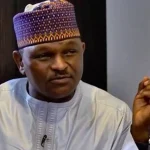




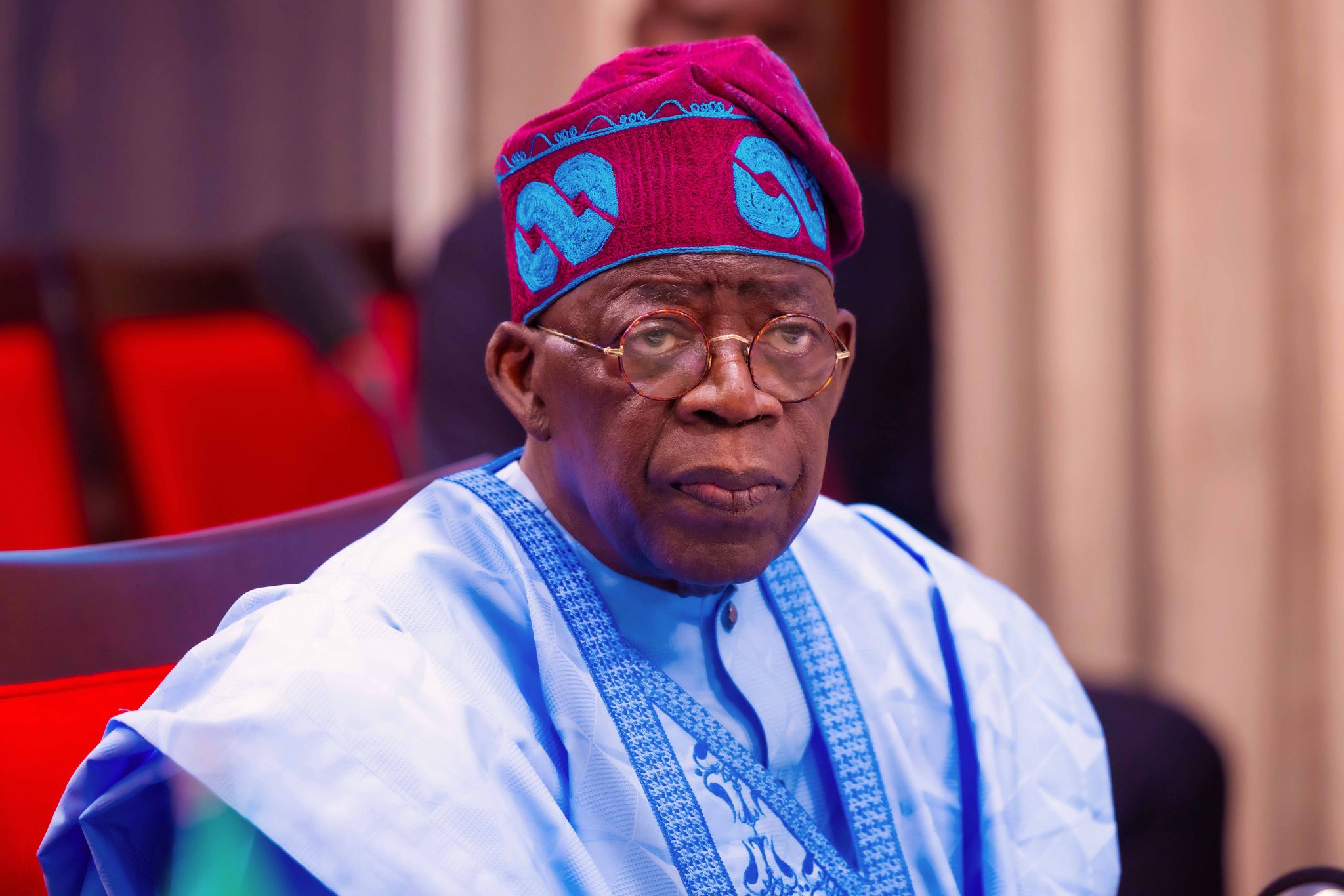
The NNPCL subsidy claims have reignited public debate over Nigeria’s fuel subsidy policy more than three years after President Bola Tinubu announced the removal of fuel subsidy on May 29, 2023. The renewed discussion follows claims by Mr. Dele Oye, Chairman of the Alliance for Economic Research and Ethics Ltd/GTE and former National President of the Nigerian Association of Chambers of Commerce, Industry, Mines and Agriculture (NACCIMA), that the ₦17.512 trillion recorded by the Nigerian National Petroleum Company Limited (NNPCL) as receivables from the Federation represents “fuel subsidy in disguise.”
The claim has raised questions about whether the subsidy was completely removed or whether government continued to absorb part of the cost of petrol through a different fiscal arrangement. In response to the growing debate, Oye provided further clarification based on NNPCL’s 2024 audited financial statements, provisions of the Petroleum Industry Act (PIA), relevant sections of the 1999 Constitution, and findings by the World Bank.
According to Oye, the ₦17.512 trillion should not be interpreted entirely as fuel subsidy. He explained that the receivables consist of ₦8.672 trillion classified as energy security costs and ₦8.840 trillion recorded as other receivables from the Federation, including advances and expenditure incurred on behalf of government. He added that the frequently referenced ₦7.131 trillion represents energy security costs incurred during 2024 and is already included in the movement that produced the ₦8.672 trillion closing balance.
He stated, “Adding the N7.131 trillion to the N17.512 trillion would amount to double counting.” Oye maintained that the amount should be regarded as NNPCL’s recorded receivable from the Federation rather than an automatically admitted Federal Government debt.
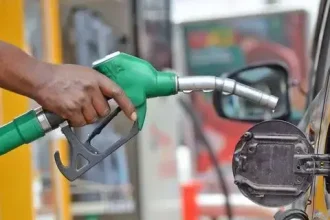
On the economic implications, Oye argued that while subsidy was officially removed, consumers did not immediately bear the full cost of imported Premium Motor Spirit (PMS). He said NNPCL continued importing petrol under a pricing arrangement in which exchange rate differentials and related costs were transferred to the Federation through energy security costs and deductions from revenues due to government.
According to him, “The arrangement had the economic characteristics of a subsidy because consumers did not immediately bear the full cost of imported petrol, while the difference was transferred to the Federation through NNPC’s receivables and remittance arrangements.”
He noted that the World Bank similarly described the arrangement as an implicit PMS subsidy, stating that it effectively ended in October 2024 when NNPCL adopted the official exchange rate for fiscal revenues and stopped recording foreign exchange differential losses.
Beyond the financial issues, Oye raised legal questions regarding the continued recovery of petroleum-related costs under the Petroleum Industry Act. While acknowledging that Section 64(m) empowers NNPCL to act as the supplier of last resort for energy security purposes, he argued that Section 317(6) authorised such arrangements only as a transitional measure for a period not exceeding six months from the commencement of the Act. He also referenced Sections 80, 81 and 162 of the Constitution, noting that a definitive legal position would require examination of government directives, approvals, reconciliation records and appropriation documents.
Oye further argued that deductions made before NNPCL remits petroleum revenues reduce the funds eventually shared among the Federal Government, states and local governments through the Federation Accounts Allocation Committee (FAAC). He questioned why significant energy security costs persisted despite the commencement of operations at the Dangote Petroleum Refinery, attributing the situation partly to inadequate domestic crude supply for local refining.
To improve transparency, Oye called for an independent forensic audit of all energy security costs and Federation receivables. He recommended that the Federal Ministry of Finance, the Office of the Accountant-General of the Federation and NNPCL jointly reconcile all deductions, liabilities and outstanding claims, with the findings made public. He also urged government to ensure that any future petroleum price support is backed by explicit legislative appropriation and transparent reporting to strengthen confidence in Nigeria’s petroleum revenue management.