




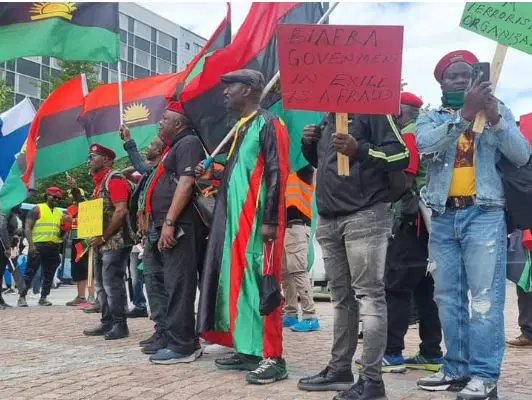
The Indigenous People of Biafra, IPOB, has renewed its call for a referendum to allow Nigerians and the country’s constituent peoples to determine their preferred political future. In a statement signed by its spokesperson, Emma Powerful, the group said the 2027 general elections would not by themselves resolve what it described as longstanding constitutional and political questions. IPOB said the proposed referendum should provide a democratic avenue for citizens to express their views on the structure and future of Nigeria.
The group argued that elections and referendums serve different purposes within democratic systems. According to IPOB, elections determine who occupies political offices, while a referendum can enable citizens to directly decide a specific constitutional or political question. It therefore questioned why its demand for a referendum on self-determination should be treated differently from other calls for popular consultation on a country’s political future.
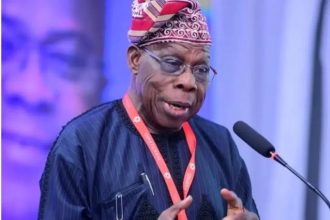
IPOB referred to previous referendums in other countries, including the United Kingdom, as examples of political and constitutional questions being subjected to popular decision-making. The organisation also cited statements attributed to former Presidents Olusegun Obasanjo and Goodluck Jonathan concerning Nigeria’s political and constitutional challenges.
The group urged the Federal Government and other stakeholders to consider a peaceful and democratic process through which Nigeria’s constituent peoples could express their preferences on the country’s political structure and future. It said such a process would allow the issue to be addressed through dialogue and lawful democratic mechanisms rather than through violence.
The demand comes as Nigeria continues to undertake discussions on constitutional and electoral reforms ahead of the 2027 general elections. The National Assembly on September 16, 2026, transmitted the Constitution of the Federal Republic of Nigeria, 1999 (Sixth Alteration) Bill, 2026, to the 36 state Houses of Assembly for consideration. Under Section 9 of the Constitution, constitutional alterations generally require approval by at least two-thirds of the state Houses of Assembly.
Nigeria’s constitutional framework already provides for a referendum in specific circumstances. For example, Section 8 of the 1999 Constitution provides for a referendum as part of the process for creating a new state, alongside approvals from legislative bodies and affected local government councils.
The IPOB referendum demand therefore raises a broader constitutional question about the mechanisms available for resolving questions concerning Nigeria’s political structure and self-determination. The group maintained that its position was a call for a political and democratic process rather than an endorsement of violence.
IPOB called on Nigerians to engage the issue through dialogue and other lawful democratic means. It urged the Federal Government and other stakeholders to consider peaceful avenues for addressing differing views about the country’s political future.