




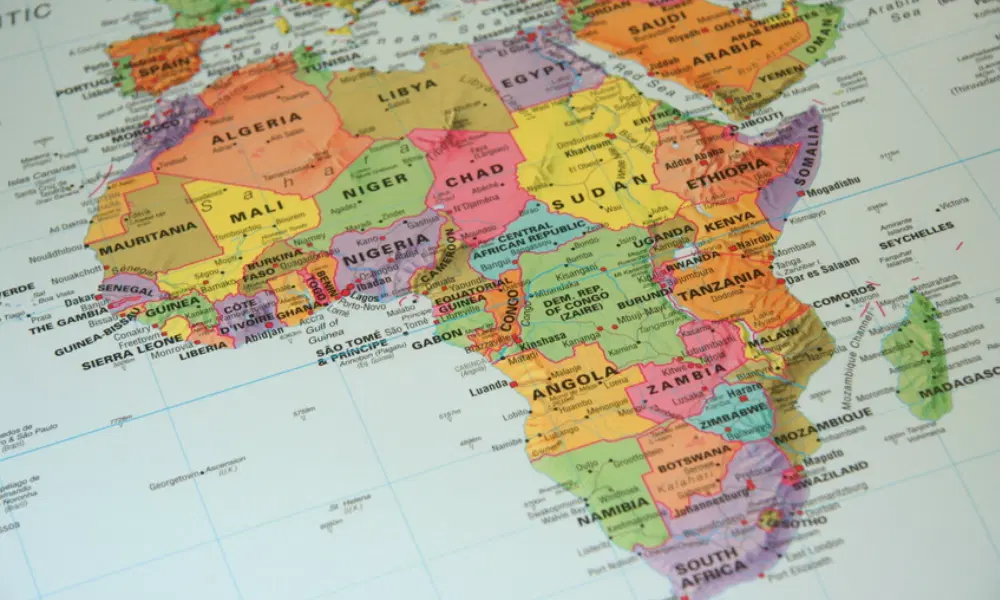
A new assessment shows that Mideast war risk Africa is rising, as escalating tensions in the Middle East pose economic and security challenges for African countries.
The report warns that disruptions linked to the conflict could affect energy markets, trade flows, and overall economic stability across the continent.
The Middle East remains a critical hub for global energy supply and international trade routes.
Any sustained conflict in the region has historically triggered ripple effects across global markets, particularly for oil-importing and oil-exporting countries in Africa.
African economies maintain varying degrees of dependence on energy imports, foreign exchange inflows, and global commodity pricing systems.
As a result, developments in the Middle East can significantly influence domestic economic conditions across multiple sectors.
According to the report, the Mideast war risk Africa is primarily linked to potential disruptions in oil supply chains, rising global energy prices, and increased shipping costs. These factors could lead to inflationary pressures in several African countries.
The report highlighted that countries heavily reliant on imported petroleum products may face higher fuel costs, which could translate into increased transportation and production expenses.
In turn, this may affect food prices and general cost of living across urban and rural areas.
It further noted that the Mideast war risk Africa extends to trade logistics, particularly through key maritime routes such as the Red Sea and Suez Canal.
Any disruption in these corridors could delay shipments, increase insurance costs, and affect export-import activities between Africa, Europe, and Asia.
The analysis also pointed to financial market vulnerabilities, stating that global uncertainty linked to conflict situations often leads to capital flow volatility. This could impact exchange rates and investor confidence in emerging markets, including African economies.
Additionally, the report observed that oil-exporting countries within Africa might experience short-term revenue gains from higher global oil prices.
However, it cautioned that such gains could be offset by broader economic instability and inflationary trends.
Experts cited in the report emphasised that the Mideast war risk Africa requires coordinated policy responses, including fiscal management, strategic reserves planning, and diversification of energy sources.
The report recommended that governments strengthen regional cooperation and invest in domestic production capacities to reduce vulnerability to external shocks.
The assessment that Mideast war risk Africa is increasing highlights the interconnected nature of global economic systems and the exposure of African economies to external developments.
Rising fuel and transportation costs could affect household incomes, business operations, and government spending plans. This may also place additional pressure on public finances in countries already managing fiscal constraints.
The situation underscores the importance of economic diversification, energy transition strategies, and resilient trade systems to mitigate external shocks.