



An expert has warned that the suspension of United States foreign aid for HIV/AIDS programmes could reverse years of progress in Nigeria’s fight against the disease and expose young Nigerians to renewed risk, stakeholders said in Abuja on Sunday.
The United States Agency for International Development (USAID) and the United States President’s Emergency Plan for AIDS Relief (PEPFAR) have been among the largest international contributors to HIV/AIDS prevention, treatment and care in Nigeria for more than two decades.
Until recently, these programmes helped reduce HIV incidence and improve access to antiretroviral therapy.
In early 2025, the US government issued an executive order pausing most foreign aid, including funding that supported HIV/AIDS services, prompting concern among health practitioners and civil society groups.
Although lifesaving medicines were granted temporary waivers, this policy shift has left many programmes in jeopardy.
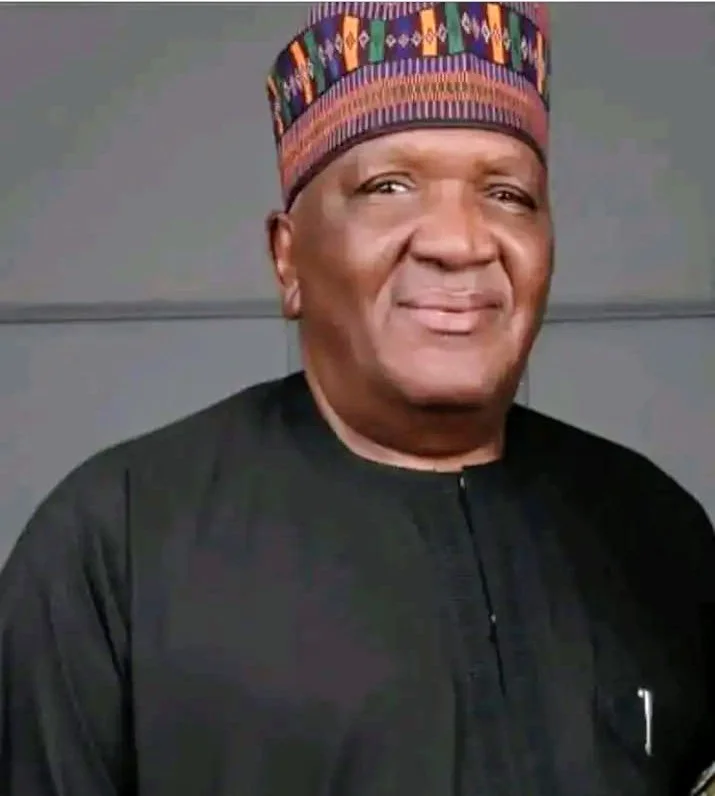
Dr. Nandul Durfa, Managing Director of the Reach Care Foundation, spoke in Abuja after receiving a letter from the Institute of Human Virology, Nigeria, informing his organisation of an immediate termination of funding support due to “prevailing funding constraints.”
He noted that many non‑governmental organisations engaged in HIV/AIDS work have shut down or scaled back services as a result.
Durfa recalled that in the early 2000s HIV/AIDS was a major public health threat in Nigeria, with thousands of infections and deaths annually.
He said sustained US support helped reduce incidence and expand treatment access over the years, but the recent pause could undo those gains.
He expressed particular concern for young Nigerians, saying those under 20 years of age, many of whom never experienced the epidemic’s peak, could be most vulnerable if support mechanisms collapse.
Durfa warned that interruptions in funding and treatment could allow the virus to develop resistance and fuel a resurgence.
Durfa urged the Federal Government to “fully fund” HIV/AIDS services and procure essential antiretroviral drugs to prevent a relapse of the epidemic, highlighting the potential danger of delayed domestic action.
The suspension of US aid comes as Nigeria’s HIV response remains fragile. Recent reporting shows reduced availability of HIV test kits and increasing challenges for people living with HIV to access services that were once subsidised.
Health advocates have warned that funding shortfalls could lead to a rise in new infections and strain community‑based prevention and care systems, including condom distribution and outreach efforts that are key to containing the epidemic.
Experts and legislators have previously called for sustainable domestic financing to reduce reliance on external aid and ensure continuity of HIV/AIDS and related health programmes.
As the United States’ pause on foreign aid disrupts established funding for HIV/AIDS programmes, experts warn that Nigeria’s progress against the epidemic could be reversed unless the Federal Government steps up domestic funding and maintains access to critical treatment and prevention services.