




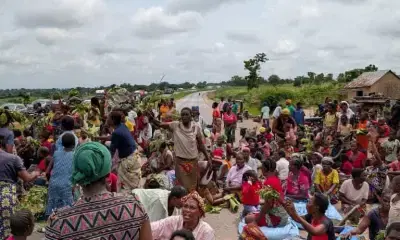
An estimated 3,725,593 Nigerians are currently displaced and living in about 3,900 camps and settlements across the country due to insecurity, according to data compiled from humanitarian agencies and government sources.
The figures were compiled from the Displacement Tracking Matrix of the International Organization for Migration, the National Bureau of Statistics, and other humanitarian sources.
Officials and agencies noted that the number represents an estimate because displacement patterns frequently change as security conditions evolve across different regions.
Internal displacement in Nigeria has been linked to several forms of violence and conflict affecting multiple regions of the country.
Insurgency activities in the North-East, banditry in the North-West, farmer–herder conflicts in parts of the North-Central, and communal clashes in some southern states have contributed to population movements and the creation of temporary settlements.
The compiled data indicate that the number of displaced Nigerians currently living in camps and host communities is larger than the total population of several countries around the world.
According to United Nations population estimates referenced in the report, Nigeria’s displaced population exceeds the population of more than 60 countries with fewer than 3.7 million residents.
Countries cited as having populations smaller than Nigeria’s displaced population include Uruguay with about 3.4 million people, Jamaica with about 2.8 million, Qatar with about 2.7 million, Namibia with about 2.6 million, and Botswana with about 2.6 million residents.
The camps and settlements housing displaced persons are spread across several states and are supported by a combination of government agencies, humanitarian organisations, and local communities providing relief assistance and services.
Humanitarian agencies and government institutions continue to monitor displacement trends across the country.
The data provides an overview of the scale of displacement linked to insecurity and the growing need for coordinated humanitarian assistance for affected populations.
The figures also highlight the pressure on relief systems and host communities that support displaced persons across multiple regions of Nigeria.