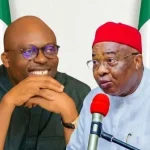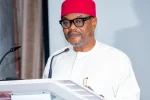




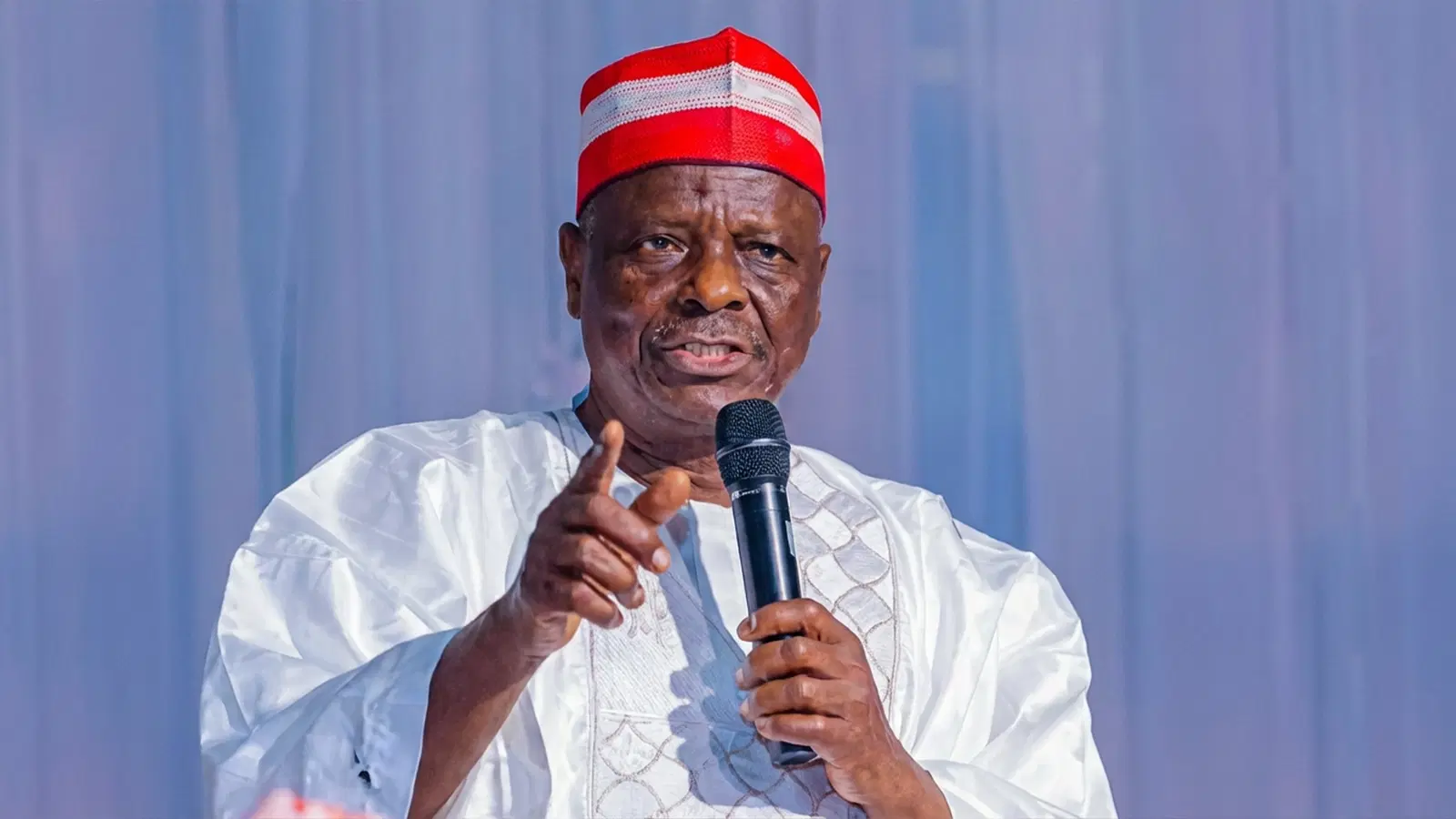
A fresh political disagreement has emerged around the PRP presidential ticket ahead of the 2027 general elections, following claims by the National Chairman of the Peoples Redemption Party (PRP), Dr. Hakeem Baba-Ahmed, that former presidential candidate Rabiu Musa Kwankwaso and other opposition figures sought assurances regarding the party’s presidential nomination before considering entry.
The controversy over the PRP presidential ticket has generated responses from the Kwankwasiyya Movement, which dismissed the allegations and described them as inaccurate. Baba-Ahmed had stated during a Hausa-language political programme on DITV Kaduna that discussions between the PRP and some prominent politicians broke down after disagreements over conditions tied to joining the party.
He explained that the party’s internal structure does not permit automatic nomination guarantees, insisting that any aspirant must first become a registered member and participate in the party’s established democratic process before contesting for elective positions. The PRP maintained that its rules must apply uniformly to all members regardless of political influence or popularity.
According to Baba-Ahmed, the discussions with Kwankwaso and other political figures reached an advanced stage before collapsing over what he described as demands for guaranteed access to the PRP presidential ticket without internal competition. He said the party rejected such conditions in line with its constitutional procedures.
The Kwankwasiyya Movement, however, countered the claims, stating that no formal arrangement existed in which Kwankwaso or any associate demanded an automatic ticket from the PRP leadership. The group argued that the allegations misrepresented the nature of any political engagements that may have taken place.
The disagreement has added to ongoing political realignments among opposition figures ahead of the 2027 elections, where parties are increasingly engaging in consultations, alliances, and internal restructuring to strengthen their electoral positions.
Baba-Ahmed further maintained that the PRP remains open to collaboration with like-minded politicians but will not compromise its internal democratic principles. He stressed that access to the PRP presidential ticket must be earned through participation in party processes rather than negotiated guarantees.
Political observers note that the exchange reflects broader tensions within opposition politics, particularly as parties seek to attract high-profile figures while preserving internal control over candidate selection processes.
The PRP has continued to position itself as a party committed to internal democracy, stating that its nomination procedures are designed to ensure fairness and equal opportunity for all aspirants. The party also emphasized that its screening and selection processes are ongoing in preparation for future electoral cycles.