





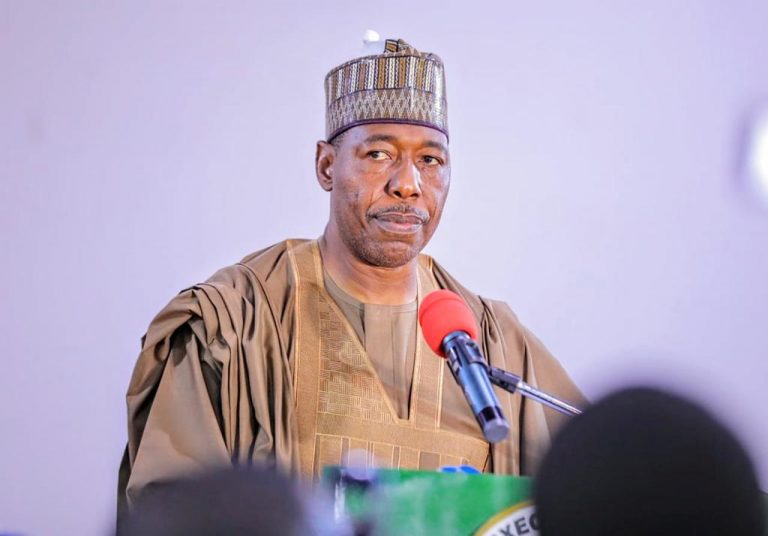
The Zulum dissolves Borno council directive was announced on March 30, 2026, as Governor Babagana Zulum approved the immediate dissolution of the State Executive Council and instructed all commissioners to hand over their responsibilities.
The decision is aimed at allowing affected officials to participate in forthcoming general elections. The directive sets a clear timeline for the transition of duties across ministries.
The dissolution of a state executive council is a formal administrative measure often associated with political transitions, particularly ahead of election cycles.
In Borno State, the move comes as preparations begin for the next round of general elections, where political office holders may seek elective positions.
According to a statement issued by the Secretary to the State Government, Bukar Tijani, the action is consistent with established procedures that enable public officials to pursue political ambitions without conflicts arising from their current roles.
The announcement confirmed the immediate dissolution of the executive council, bringing the tenure of all serving commissioners to an end.
All affected commissioners have been directed to hand over the affairs of their ministries to permanent secretaries on or before Friday, April 3, 2026.Explaining the reason for the action, the statement said:
“The decision is to provide an enabling environment for any member of the council who may wish to contest elective positions in the forthcoming general elections.”
The government also acknowledged the contributions of the outgoing officials.
The statement noted that the governor “expressed his profound appreciation to the outgoing Commissioners for their dedication, commitment, and invaluable contributions to the development and service of the people of Borno State.”
With the dissolution in effect, permanent secretaries will assume oversight of ministry operations pending further decisions by the state government.
ImplicationsThe development where Zulum dissolves Borno council highlights the link between governance and electoral processes.
By stepping down commissioners, the state creates a pathway for political participation while maintaining compliance with administrative and electoral expectations.
The transition arrangement ensures continuity in governance, as permanent secretaries will oversee ministry functions during the interim period.
This approach helps sustain public service delivery despite the political transition.
The move also reflects broader patterns across states where executive restructuring occurs ahead of elections to align governance with political timelines.