


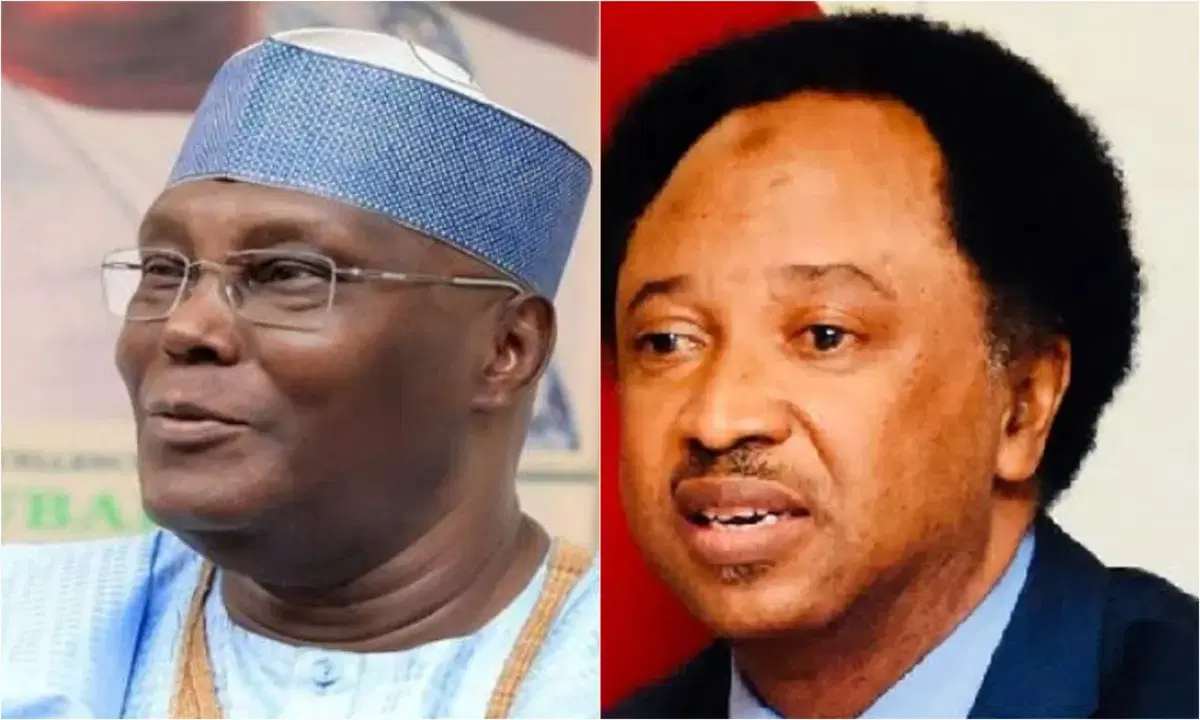
A public US lobbying dispute has emerged between former Kaduna Central senator Shehu Sani and Paul Ibe, media adviser to former Vice-President Atiku Abubakar, over the opposition’s engagement of a United States lobbying firm to seek the release of documents relating to President Bola Tinubu’s alleged drug trafficking case. The disagreement, which unfolded on Wednesday, centred on the implications of the move for Nigeria’s international image and democratic process.
The exchange followed reports that Von Batten-Montague-York, L.C., a Washington-based lobbying firm retained by Atiku, had begun distributing United States Department of Justice records relating to the allegations involving Tinubu to officials in the Donald Trump administration, members of Congress and senior congressional aides.
Reacting in a post on his X account, Sani criticised the decision to engage a foreign lobbying firm, describing it as inconsistent with national interest. He wrote, “Engaging US lobby groups to criminalise the President and his administration and curry favour from the US Government is unconscionable and unpatriotic.”
The former senator argued that the approach could have unintended diplomatic consequences for Nigeria. According to him, “It may not achieve its objectives but will undoubtedly damage the international reputation of the country, escalate global repudiation against our citizens and lead us into the traps of sanctions and visa restrictions.” He also maintained that political competition should remain within Nigeria’s democratic framework, stating, “The opposition should fight and struggle for power within the borders of our country. Seeking foreign help for regime change in a democratic setting is wrong.”
Responding shortly afterwards, Ibe defended the engagement of the lobbying firm and rejected suggestions that the action was inappropriate. He wrote, “There’s nothing wrong with hiring a lobbyist, especially when you are confronted with a dictatorship.” He further alleged that the Tinubu administration had previously committed public funds to lobbying efforts in the United States, stating, “Recall that six months ago, Tinubu splurged $9 million of Nigeria’s hard-earned money on a US lobby firm.”
Addressing the substance of the matter, Ibe argued that Nigerians were entitled to information relating to the President’s past legal issues. He said, “Do Nigerians deserve to know what is in the FBI and DOJ files about Tinubu? Yes. Nigerians are entitled to know everything about their President or a prospective President.” He also challenged Tinubu’s supporters to permit the release of the records if they had “nothing to hide.”
The US lobbying dispute concluded with a personal remark from Ibe directed at Sani, referencing what he described as “unfinished business” from Sani’s tenure as chairman of a Senate ad hoc committee that investigated former Secretary to the Government of the Federation, Babachir Lawal. The exchange highlights continuing political disagreements over the use of international lobbying, transparency and accountability in Nigeria’s democratic process.