




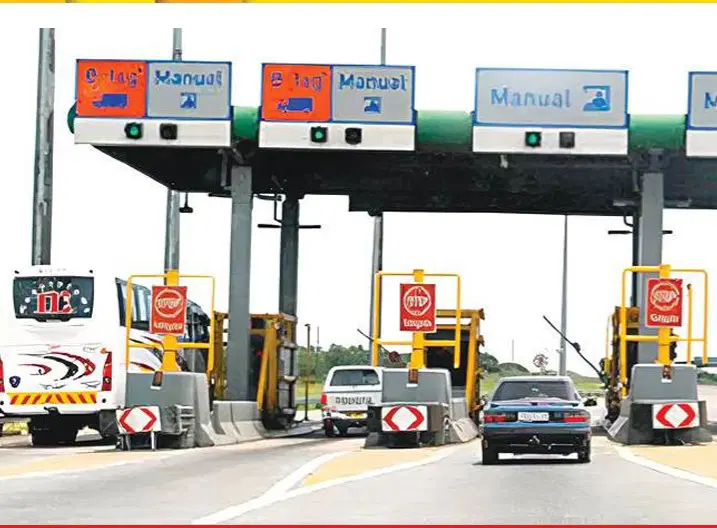
The effectiveness of Seme border checkpoints has come under renewed scrutiny following observations that fuel smuggling, rice trafficking and other illicit cross-border activities continue along the Lagos-Badagry-Seme corridor despite a heavy concentration of security personnel. A field visit to the border route revealed dozens of checkpoints operated by multiple agencies, yet residents and transport operators alleged that smuggling networks continue to use alternative routes to move goods and people across the Nigeria-Benin Republic border.
The Seme border corridor remains one of Nigeria’s busiest international gateways, linking the country to neighbouring Benin Republic and serving as a major route for trade and movement across West Africa.
On May 25, 2026, the Seme Area Command of the Nigeria Customs Service invited journalists to a press briefing at its command headquarters. The journey from Lagos to Seme provided a firsthand view of security operations along the corridor and raised questions about the effectiveness of enforcement efforts.
Travelling from Mile 2 in Lagos to Badagry Roundabout, the first security checkpoint encountered was at Agbara, where officers of the Nigeria Customs Service and the Nigeria Immigration Service maintained a visible presence.
After arriving at Badagry Roundabout, a local resident and blogger familiar with the border route advised travelling to Seme by motorcycle, explaining that riders were less likely to be delayed at checkpoints.
During the journey, security personnel from the Nigeria Customs Service, Nigeria Police Force, Nigeria Immigration Service, Federal Road Safety Corps, Nigeria Security and Civil Defence Corps, and the military were observed operating checkpoints along the route.
Commercial vehicles were frequently stopped, resulting in significant delays. Despite travelling by motorcycle, the trip to the Seme Area Command lasted approximately two hours.
Residents familiar with activities around the border said smugglers have increasingly abandoned the major highway in favour of village routes that are more difficult to monitor.
A visit to Adesungbeme/Azangbeme in Babapupa, located within Badagry West Local Council Development Area, revealed what residents described as an active transit corridor.
Motorcycles were observed transporting petrol from Nigeria towards Pawu, a border community near Seme. A woman was also seen transferring fuel from kegs into sacks. According to residents, petrol is commonly moved during daylight hours, while rice smuggling and human trafficking activities largely occur at night.
One motorcycle operator who requested anonymity said: “I don’t operate during the daytime. Some of us only move at night, carrying rice from Pawu to Nigeria.
“Sometimes, I also carry young ladies. I don’t know who they are, but they usually say they are going to meet relatives in Seme. I only do my job.”
Residents further described the Babapupa route as a longstanding pathway used by irregular migrants and traffickers seeking to evade official border controls.
On the return trip from Seme to Badagry Roundabout, an effort was made to count the number of security checkpoints along the route. A total of 60 checkpoints were recorded.
These included 12 operated by Customs officers, 27 by the Police, four by Immigration officers, five by the Federal Road Safety Corps, five by military personnel and two by officials of the National Drug Law Enforcement Agency. Passengers and drivers alleged that vehicles were routinely stopped at virtually every checkpoint and that payments were frequently demanded.
Commercial drivers operating on the route expressed frustration over what they described as widespread extortion.
One transport union member claimed that passengers pay N2,000 each for trips between Badagry and Seme, with vehicles often carrying six passengers per journey. According to him, a substantial portion of the revenue generated is spent making payments at checkpoints.
“We operate on this route, and there are about 67 checkpoints from Badagry Roundabout to Seme.
“At each checkpoint, officials collect money from us. Out of the checkpoints, there are Police, Customs, Immigration, Civil Defence, Army, and Road Safety officers.
“Road Safety officials stop us regularly. Even after paying money at their camp, officers still demand more on the road.
“Passengers pay N2,000 each from Badagry to Seme, but most of the money goes into settling officers at checkpoints. We are living in a lawless country.”
Contrary to the large number of checkpoints observed, a previous statement attributed to former Seme Area Comptroller Wale Adenuga indicated that only two Customs checkpoints are officially recognised between Lagos and the Seme border.
According to stakeholders familiar with discussions held in 2025, Adenuga identified the Agbara checkpoint and the Gbaji Bridge checkpoint as the officially recognised Customs locations on the corridor.
Participants at the meeting said the former comptroller maintained a strict position against unauthorised checkpoints and repeatedly emphasised compliance with approved operational procedures.