




President Bola Ahmed Tinubu has directed the immediate deployment of about 100,000 Compressed Natural Gas conversion kits across Nigeria as part of measures to reduce the impact of rising fuel prices on commuters.
The directive is part of the Federal Government’s response to the economic pressure created by the ongoing conflict in the Middle East, which has contributed to increased global oil prices and higher costs of petrol and diesel in Nigeria.
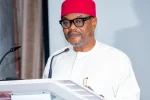
The decision was disclosed by the Executive Chairman of the Presidential Initiative on Compressed Natural Gas, Ismaeel Ahmed, after a meeting with the President in Abuja.
Ahmed said the President requested updates on the initiative as part of efforts to address the rising cost of transportation linked to developments in the international oil market.
According to him, the President was particularly concerned about the effect of global tensions on fuel prices and the implications for Nigerians who rely on road transport for daily activities.
He said: “The President, as usual, is always trying to get information on what is going on, especially with the war in the Middle East and the rising cost of petrol and diesel.
He wanted to know what we are doing at Pi-CNG and EV to scale up the availability of gas and CNG everywhere in the country so that people would have less cost of transportation.”
Ahmed explained that Tinubu has directed that about 100,000 CNG conversion kits be deployed nationwide within the next few weeks.
The kits will allow vehicle owners to convert petrol-powered engines to run on compressed natural gas.
He said the initiative will involve collaboration with multiple stakeholders across the public and private sectors. The programme is expected to benefit different categories of transport operators, including commercial drivers and tricycle operators.
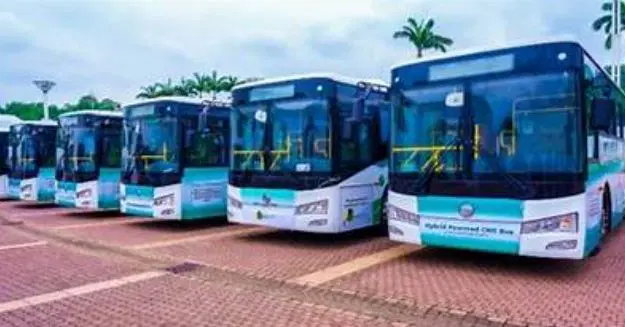
Officials say the expansion of CNG use is aimed at lowering the cost of transportation while providing a cleaner alternative fuel for vehicles.
The government is also pushing for a wider expansion of gas infrastructure and electric vehicle charging facilities as part of a broader effort to diversify energy sources in Nigeria’s transport sector.
Authorities believe the adoption of gas-powered vehicles will reduce dependence on petrol and diesel while helping to stabilise transport costs for commuters.
The development comes as Nigeria continues to experience the ripple effects of international energy market fluctuations, with transport operators and commuters facing higher operating costs in recent weeks.
Government officials say the CNG programme is expected to provide relief by expanding access to alternative fuel options and reducing the pressure on petrol consumption in the country.