




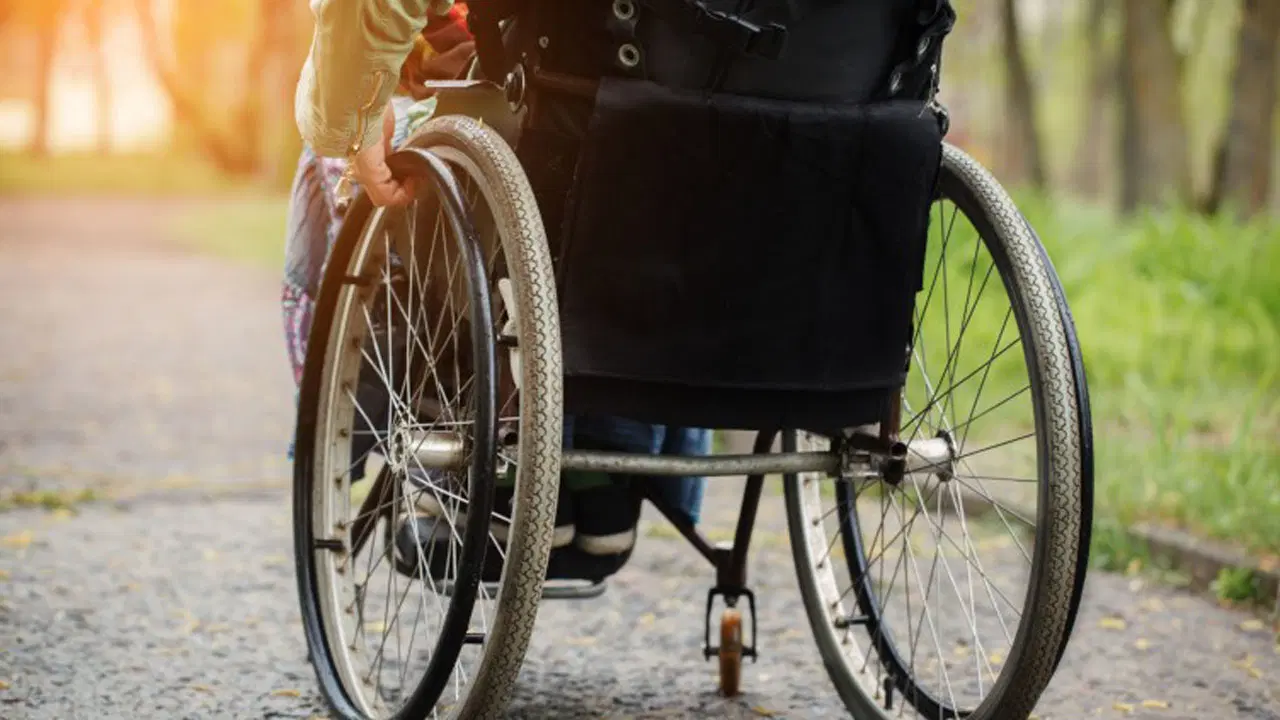
Disability rights advocates have called for stronger enforcement of Nigeria’s accessibility laws, insisting that persons with disabilities deserve equal access to public spaces and services as a matter of legal right rather than charity. The renewed demand followed months of accessibility audits conducted across public and private institutions in Lagos State, where campaigners said many facilities remain inaccessible despite existing legislation.
Advocates said Nigeria already possesses comprehensive legal frameworks protecting the rights of persons with disabilities, including the United Nations Convention on the Rights of Persons with Disabilities, the Discrimination Against Persons with Disabilities (Prohibition) Act, 2018, and the Lagos State Special People’s Law. However, they argued that implementation and enforcement remain the greatest obstacles.
President of the Down Syndrome Foundation Nigeria, Rose Mordi, described accessibility as a fundamental human right extending beyond ramps and wheelchair entrances.
She explained that genuine inclusion also requires systems that support people with intellectual, sensory and other less visible disabilities. Mordi advocated disability support desks in public institutions and corporate organisations while calling for sanctions against organisations that fail to comply with accessibility requirements.
Executive Director of the Festus Fajemilo Foundation, Afolabi Fajemilo, said accessibility should be incorporated into the original design of buildings rather than introduced after construction.
He criticised the notion of treating accessibility as “reasonable accommodation,” arguing that it suggests persons with disabilities were overlooked from the outset. According to him, equal access should be the standard for everyone regardless of disability.
Technical consultant Modinat Tijani said the accessibility audit revealed that many organisations had installed ramps and elevators that failed to meet accepted standards.
She explained that some ramps were too steep for wheelchair users, while several elevators were inaccessible because their entrances were too narrow. Tijani stressed that accessibility should be judged by whether facilities can be used independently rather than by the mere presence of accessibility features.
Representatives of disability groups said the project has shifted advocacy away from charity-based appeals toward rights-based enforcement.
Nigeria Association of the Blind representative Anu Oluwayinka said accessibility is protected by law and should no longer be viewed as a favour. He noted that disability can affect anyone and urged stronger collaboration among disability groups to demand accountability. Jessica Hyacinth of the Albinism Association of Nigeria and spinal cord injury survivor Oluwafunmilayo Mobolaji also pledged continued advocacy, including legal action where institutions fail to meet accessibility standards.
The advocates expressed optimism that sustained collaboration among disability organisations, government agencies, professional bodies and the media would help transform accessibility into a nationwide standard, ensuring every Nigerian can participate fully in society without discrimination.