






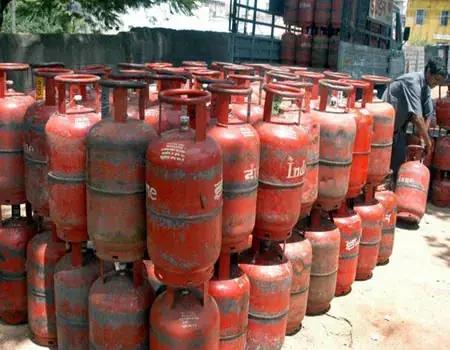
The price of cooking gas in Nigeria has risen by about 40 per cent to approximately ₦1,400 per kilogram, industry sources and market checks indicate, following increases in international energy prices amid the ongoing crisis in the Middle East.
Liquefied petroleum gas (LPG), commonly referred to as cooking gas, is a key household energy source in Nigeria, used by many families for cooking and small businesses for processing.
Domestic LPG prices are influenced by global crude oil and refined product markets because a portion of Nigeria’s supply is imported and pricing in the domestic downstream sector reflects international cost pressures.
The ongoing hostilities involving the United States, Israel and Iran have disrupted energy markets, contributing to volatility in crude oil and refined product prices worldwide.
Crude benchmarks such as Brent and Bonny Light have climbed as the conflict continues, pushing up costs for refined energy products including cooking gas.
Market checks in Lagos and other parts of Nigeria showed retail prices for cooking gas now reaching as high as about ₦1,400 per kilogram. Industry sources confirm that the ex‑depot price of LPG has increased to around ₦18 million per 20 metric tonnes (MT), up from about ₦15.95 million recorded the previous week, representing a roughly 13 per cent weekly increase.
Some gas depots reported selling LPG at up to ₦19 million per 20 MT, while other outlets offered slightly lower prices around ₦17.5 million per 20 MT.
The price rise at depots has been passed through to retailers and consumers as marketers adjust to higher procurement costs.
Industry representatives, including the National President of the Nigerian Association of Liquefied Petroleum Gas Marketers, said the increase in global energy prices and limitations on international supply have affected domestic LPG pricing.
They noted that, even with local production and refinery supplies, shifts in the international market influence Nigerian downstream costs.
Availability of LPG remains relatively stable, although some depots have reported temporary stockouts while awaiting incoming vessels. This situation persists against the backdrop of geopolitical instability and supply chain uncertainties.
The rise in cooking gas prices is likely to increase household energy costs, affecting domestic budgets where LPG is a primary fuel for daily cooking.
Higher LPG costs can also increase operating expenses for small businesses that rely on gas for food preparation and other commercial activities.
In a market where domestic energy prices respond to international crude and refined product benchmarks, volatility in global energy markets can transmit sharply to local consumer costs.
This linkage underscores the interconnectedness of Nigeria’s energy sector with global supply dynamics.