





The Federal Government is collaborating with Austrian authorities and the Vienna Stock Exchange to establish a bond vehicle aimed at mobilising capital for foreign companies investing in Nigeria.
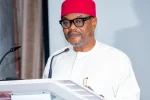
Minister of Budget and Economic Planning, Atiku Bagudu, disclosed this on Tuesday while addressing the GPF Global Vienna meeting in Austria through a video message shared on X.
Bagudu said the proposed vehicle, known as the Esme Bond, followed about 18 months of discussions involving Nigerian and Austrian officials, the Vienna Stock Exchange and fund managers.
According to the minister, Austrian nationals and representatives of the Nigerian government through the Ministry of Finance Incorporated, MOFI, are represented on the board overseeing the vehicle.
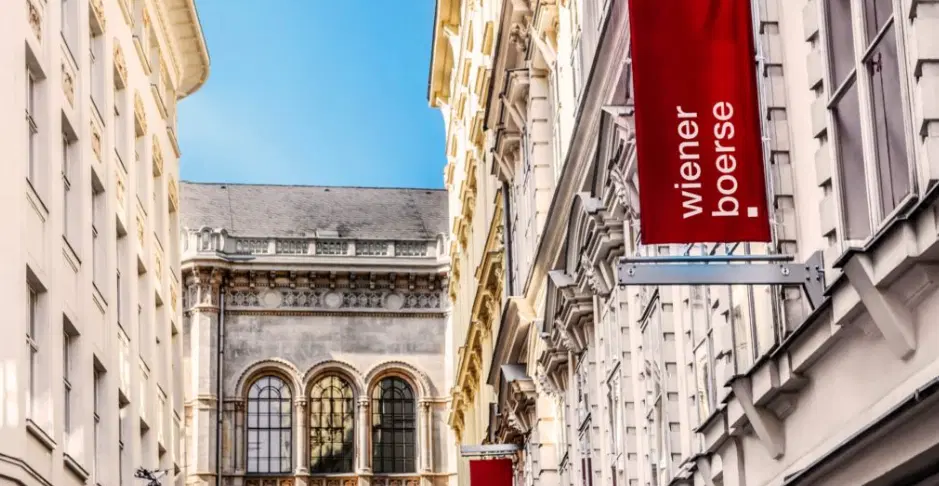
He explained that the proposed bond would be listed on the Vienna Stock Exchange and used to raise funds for companies operating in sectors considered important to Nigeria’s economic development.
“The idea is that this vehicle will float bonds on the Vienna Stock Exchange in order to fund Austrian companies or other businesses in green technology, waste to energy, textiles, pharmaceutical, as well as agricultural companies,” Bagudu said.
He said the beneficiary companies would be expected to bring their expertise and investments into Nigeria while expanding their operations in the country.
Bagudu said the initiative formed part of the Federal Government’s broader strategy to attract the private capital needed to support President Bola Tinubu’s target of building a $1 trillion Nigerian economy.
“Our president had given us a target that let’s aim for a $1 trillion economy, and a $1 trillion economy requires a lot of private capital,” he said.
The minister disclosed that the government was working to complete the remaining requirements needed for the proposed bond placement.
Bagudu also pointed to developments in Nigeria’s financial and foreign exchange markets, saying Nigerian bonds had become more attractive to international investors following what he described as relative stability in the naira.
He claimed that some foreign investors had recorded dollar returns of almost 20 per cent from their investments.
The minister further stated that Nigeria’s foreign reserves had risen above $50 billion, providing more than 11 months of import cover, while conditions in the foreign exchange market had also stabilised.
Bagudu described Austria and Nigeria as complementary investment partners, citing Austria’s technological capabilities alongside Nigeria’s large consumer market and population of about 230 million.
He expressed optimism that the proposed partnership would encourage Austrian companies to expand into Nigeria while deepening economic and commercial relations between both countries.
The planned Vienna-listed bond is expected to provide another avenue for mobilising international private capital towards investments in Nigeria, particularly in sectors such as green technology, agriculture, pharmaceuticals, textiles and waste-to-energy.