



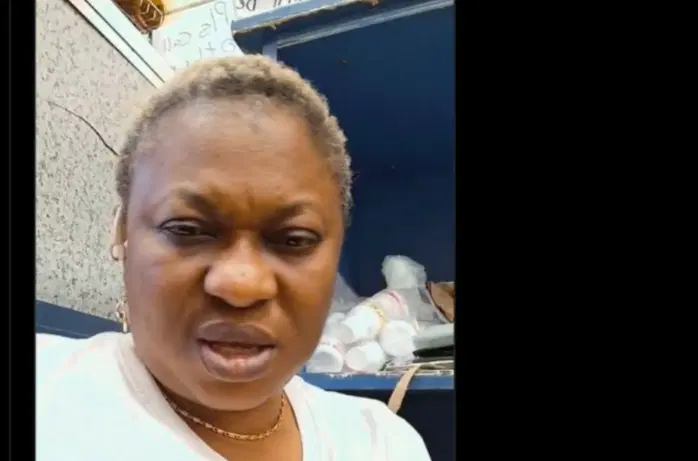
A Nigerian woman living in the United States has raised concerns about the financial and immigration pressures facing some immigrants, saying years spent in the country do not necessarily translate into financial security.
The woman, who spoke in a video circulating on social media, said she had become frustrated with the situation facing immigrants in the US.
“I’m tired of America. The situation is getting worse for the immigrants every day,” she said.
According to her, many Nigerians and other immigrants who have lived in the country for decades may still not have substantial savings.
She specifically questioned whether immigrants who had spent more than 20 years in the US could boast of having $100,000 in savings.
“Majority of us that have been in this country for the last over two decades, can we boast of $100,000 in savings? Ah, omo, we plenty, plenty of us don’t have,” she said.
The woman stressed that her frustration should not necessarily be interpreted as a desire to return to Nigeria.
Rather, she said her concerns were linked to the challenges confronting immigrants, particularly issues surrounding immigration and their ability to maintain financial stability.
She urged immigrants to remain informed about developments affecting their status, arguing that some immigration-related information may not receive sufficient attention in mainstream media.
She advised immigrants to follow credible sources, including immigration lawyers, for updates on policies and legal developments.
The woman also reflected on the financial sacrifices made by some immigrants over the years.
“A lot of us that we have been in this country for over two decades, a lot of us wasted time, we wasted money, we wasted resources,” she said.
She added that returning to Nigeria could also present difficulties for people who no longer had the financial resources to establish themselves again.
“Going back to Nigeria is not even the problem,” she said. “But a lot of people don’t have that financial capacity to stand.”
The woman further appealed to Nigerians living in Africa and Europe to reconsider financial demands placed on relatives in the United States.
She said having a family member in America should not automatically be taken as evidence that the person is financially comfortable.
“A lot of people that you are relying on your family member in America for daily needs and feeding and all of those things in Africa, please, this is not the time to be billing your family member in America,” she said.
She encouraged families to show greater understanding towards relatives abroad, particularly those dealing with financial or immigration pressures.
The woman concluded by urging Nigerians to remember their loved ones living in the United States in their prayers.