






The International Trade Union Confederation (ITUC)-Africa has criticised Nigeria’s proposed electricity subsidy removal, warning that the move could deepen poverty, widen inequality and undermine efforts to achieve sustainable industrialisation.
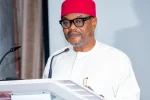
The position was presented by ITUC-Africa General Secretary, Akhator Joel Odigie, during the opening of the New Energy for Africa 11 Convening, themed “African Workers’ Contributions to Energy Sovereignty, Green Industrialisation, and a Common African Position for COP31.”
Odigie said industrialisation remains essential to Africa’s economic transformation but stressed that meaningful development must improve the living standards of workers and ordinary citizens rather than increase hardship.
He argued that the Nigerian government’s reported plan to remove electricity subsidies in 2027 appears driven by recommendations from international financial institutions, including the International Monetary Fund (IMF) and the World Bank, rather than the welfare of Nigerians.
According to him, higher electricity costs would place additional pressure on households and businesses, making reliable power less affordable for millions of citizens.
“As we speak now, Nigeria is talking of subsidy removal on electricity. The plan is not to satisfy or help Nigerians, but IMF, World Bank and other donor countries,” Odigie said.
He also rejected the argument that subsidies are inherently harmful to economic growth, maintaining that many developed nations relied on strong public investment in electricity infrastructure during their industrial development.
The labour leader noted that more than 600 million Africans still lack access to electricity despite the continent’s vast renewable energy resources, adding that energy reforms must focus on expanding affordable access rather than limiting it.
He said organised labour believes Africa can industrialise while addressing climate change, provided governments, workers and development partners commit to energy justice, technology transfer, skills development and sustainable financing.
According to Odigie, Africa’s industrial future should not only be measured by economic growth but also by improvements in the everyday lives of citizens. He stressed that affordable electricity remains fundamental to decent living standards, arguing that workers should have access to reliable power after a day’s work without facing excessive costs.
“Energy justice means energy that is accessible, affordable and capable of improving people’s lives,” he said.
Drawing from international examples, Odigie referenced Finland, where he said a combination of public and private sector participation has helped keep electricity affordable through continued government involvement in the energy market.
Looking ahead to the COP31 climate negotiations, he called for stronger collaboration between organised labour and the African Group of Negotiators (AGN) to ensure African workers’ interests are reflected in global climate discussions.
He emphasised that trade unions should be viewed as partners in governance, explaining that their role is to strengthen accountability and help governments make better policy decisions.
Also speaking at the event, Chair of the African Group of Negotiators, Dr. Nana Amoah, represented by Senior Adviser Dr. George Manful, described Africa’s energy transition as both an urgent challenge and a major opportunity. He observed that while the continent possesses significant solar, wind, hydro and geothermal resources, it continues to attract only a small share of global clean-energy investment.
According to the AGN, a truly just energy transition should not be measured solely by electricity generation or emissions reductions but also by the quality of jobs created, affordable energy access, protection of workers, support for women and young people, and the growth of local industries.
The group further urged African governments to ensure that initiatives aimed at expanding electricity access also promote local manufacturing, technology transfer, skills development and equitable participation in the global green economy, while guaranteeing that no community is left behind.