

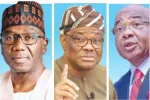

Ahead of preparations for the 2027 general elections, the Uzodimma Wike rivalry is intensifying over strategies to mobilise support for President Bola Ahmed Tinubu in the South-East and South-South regions.
The growing disagreement reflects differing approaches to political coordination within the ruling space. The situation has drawn attention to evolving alignments ahead of the next electoral cycle.
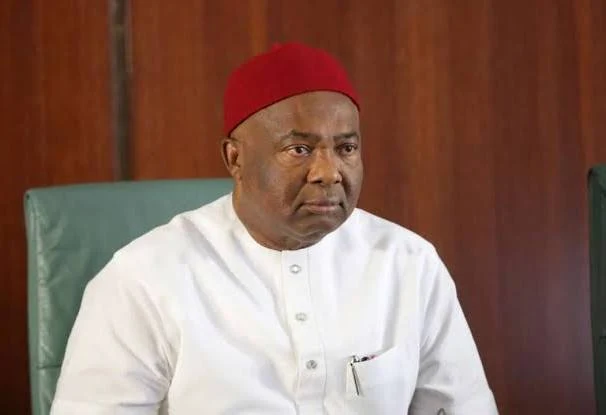
The rivalry between Imo State Governor Hope Uzodimma, who chairs the Progressive Governors’ Forum, and the Minister of the Federal Capital Territory, Nyesom Wike, has its roots in earlier political disagreements.
The dispute is linked to the political crisis in Rivers State involving Governor Siminalayi Fubara, where both actors took differing positions.
The disagreement has since expanded beyond Rivers State into broader political calculations, particularly regarding mobilisation strategies for President Tinubu’s re-election campaign.
The South-East and South-South regions are seen as critical to electoral outcomes, making coordination efforts a key focus for political actors.
Findings indicate that the Uzodimma Wike rivalry has become more pronounced as both leaders pursue separate strategies for delivering votes in their respective regions.
Governor Uzodimma has maintained that the ruling party has sufficient internal structures to mobilise support without relying on external political actors.
He emphasised the importance of loyalty to the All Progressives Congress, stating that individuals who support the administration should formally align with the party.
“We do not want crafty politicians who want to scam APC in the guise of supporting our leader and President,” Uzodimma said, adding that loyalty to the party remains central to its electoral strategy.
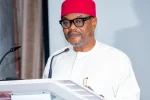
In contrast, Wike has indicated confidence in his ability to mobilise support across multiple South-South states, including Rivers, Cross River, Edo, and Bayelsa.
At a stakeholder meeting in Abuja, Wike stated that no external political influence would determine outcomes in Rivers State, warning against interference from other political actors.
The minister also reiterated his position that political decisions within Rivers would remain internally driven, reflecting his stance on maintaining control over local political dynamics.
Further developments indicate that both figures are actively involved in political consultations and mobilisation efforts, with competing approaches shaping the emerging campaign structure ahead of 2027.
The Uzodimma Wike rivalry highlights internal dynamics within Nigeria’s political landscape as key actors position for influence ahead of the 2027 elections.
The divergence in strategies may affect coordination efforts within the ruling party, particularly in regions considered strategically important for electoral success.
The development also underscores the role of regional political structures in national campaigns, where local alliances and influence networks play a significant role in determining outcomes.