


Nigeria joins Ghana and 121 nations urging reparations for slavery’s historical wrongs after the United Nations General Assembly adopted a resolution on March 25, 2026 that declared the transatlantic slave trade the gravest crime against humanity
And underscored the importance of addressing historical injustices affecting Africans and people of African descent.
The resolution was sponsored by Ghana and supported by a wide coalition of member states during a session in New York.
The adopted UN resolution cited the transatlantic slave trade’s systemic brutality, duration, and enduring consequences that shape contemporary racialised economic and social structures globally.
It was presented in the context of the Second International Decade for People of African Descent and the African Union’s Decade of Reparations, reflecting broader continental and global engagements on historical justice.
Nigeria’s participation aligns with historical continental advocacy on reparations linked to slavery, colonialism, and other related injustices.
Earlier Pan‑African efforts, including the Abuja Proclamation on Reparations in 1993 and ongoing African Union engagements, have emphasised recognition of harms and strategies for reparative justice for affected communities and nations.
The resolution received 123 votes in favour, while three countries; Argentina, Israel, and the United States, voted against, and 52 abstained.
It emphasised addressing slavery’s lasting legacies in a manner that promotes justice, human rights, dignity, and healing.
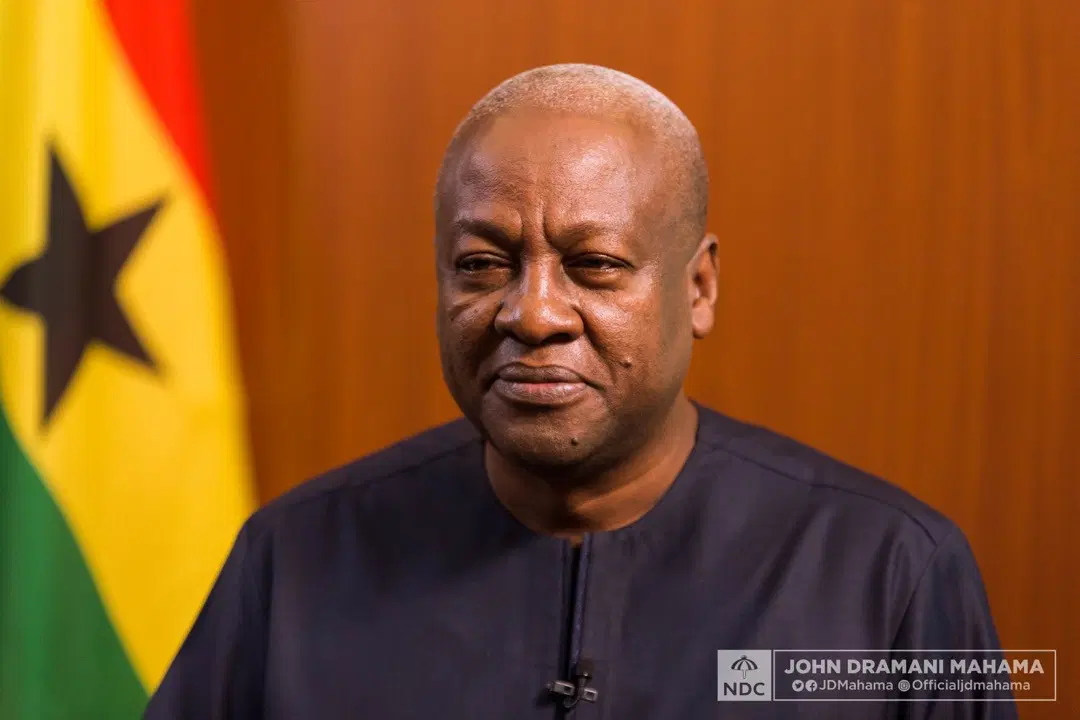
Ghana’s President John Mahama, speaking for the 54‑member African Group, said: “Today, we come together in solemn solidarity to affirm truth and pursue a route to healing and reparative justice.”
The resolution stressed that for more than 400 years, millions of Africans were taken from their homes, denied basic humanity, and forced into exploitative labour systems that continue to shape inequalities and discrimination.
It described the transatlantic slave trade as “the trafficking of enslaved Africans and racialised chattel enslavement of Africans as the gravest crime against humanity by reason of the definitive break in world history.”
The text also underscored that claims for reparations “represent a concrete step towards remedy,” and pointed to the need to confront systemic racism and persistent barriers to equal access to education, health, employment, housing, and civic participation.
United Nations Secretary‑General António Guterres urged member states to drive action to eradicate racism and ensure reparatory justice that supports inclusive development and equal influence in global institutions.
In remarks cited in the resolution’s proceedings, UN General Assembly President Annalena Baerbock said slavery was “an affront to the very principles enshrined in the Charter of our United Nations and the Universal Declaration of Human Rights.”
The decision that Nigeria joins Ghana and 121 nations urging reparations for slavery’s historical wrongs situates Nigeria within a broad diplomatic effort to seek international acknowledgement of past injustices.
It may inform national and continental dialogues on historical accountability and reparative frameworks inclusive of legal, cultural, and economic dimensions.
Drawing on Pan‑African and international precedents, the resolution adds momentum to discussions on how historical wrongs can be addressed through formal mechanisms while reinforcing the importance of international cooperation on human rights and equity.