


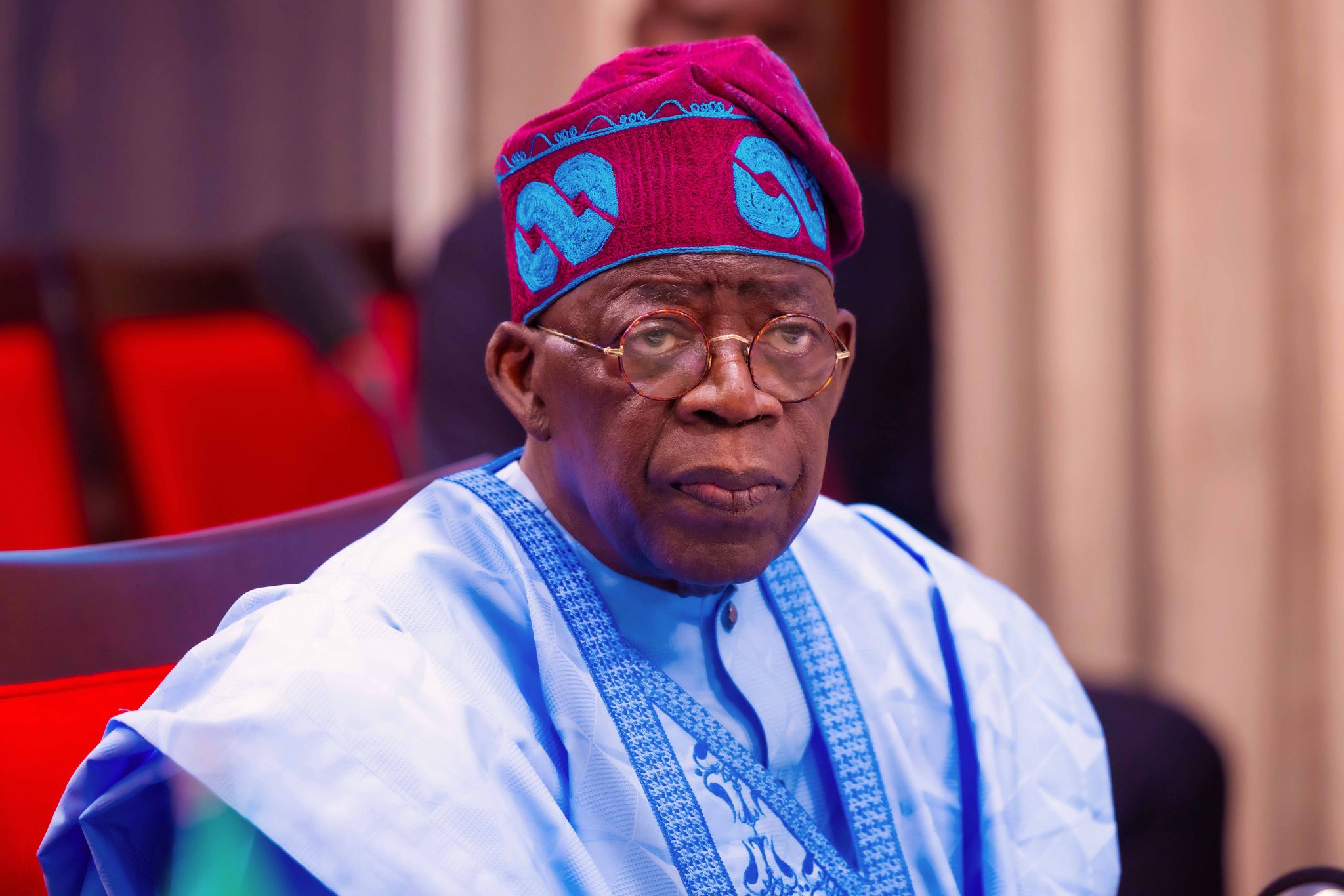
President Bola Tinubu has stated that oil subsidy cabals and individuals benefiting from exchange rate distortions want him dead because of ongoing economic reforms. Speaking during an engagement with members of the National Democratic Coalition, Tinubu said the removal of fuel subsidy and foreign exchange reforms disrupted long-standing interests tied to the economy. According to the President, the actions against oil subsidy cabals were necessary despite resistance from groups benefiting from previous economic arrangements.
Nigeria removed fuel subsidy shortly after Tinubu assumed office in May 2023. The administration argued that the subsidy system had become financially unsustainable and was consuming large portions of public revenue.
The government also implemented exchange rate reforms aimed at unifying Nigeria’s foreign exchange market and reducing arbitrage opportunities. These changes significantly affected sectors dependent on subsidised imports and preferential access to foreign exchange.
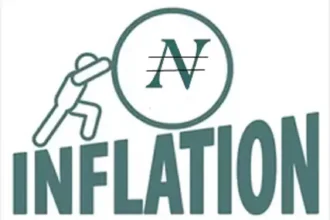
Economic reforms triggered sharp increases in fuel prices, transportation costs, inflation, and living expenses across the country. While government officials described the policies as necessary for long-term stability, critics raised concerns about worsening economic hardship for households and businesses.
The National Democratic Coalition, popularly known as NADECO, played a major role in Nigeria’s pro-democracy movement during military rule. Tinubu addressed the group during activities marking the coalition’s anniversary event.
During his remarks, Tinubu said some individuals affected by the reforms had become hostile because they lost financial benefits previously tied to subsidy payments and exchange rate systems. He stated that “oil subsidy cabals” and exchange rate manipulators were angry over the government’s policies.
The President explained that removing fuel subsidy was necessary to prevent economic collapse and improve national revenue management. He also defended the administration’s foreign exchange reforms, saying they were aimed at restoring transparency and market efficiency.
Tinubu noted that Nigeria could no longer sustain previous subsidy arrangements because of growing fiscal pressures and debt obligations. According to him, reforms were introduced despite political risks and public criticism.
The President’s comments came amid continuing national debates around inflation, currency instability, and rising living costs. Economic analysts have linked some inflationary pressures to subsidy removal and naira devaluation following exchange rate liberalisation. Government officials maintain that reforms are intended to stabilise public finances, attract investment, and improve long-term economic competitiveness.
Tinubu’s comments about oil subsidy cabals reflect continuing tensions surrounding Nigeria’s economic restructuring process. For businesses and investors, subsidy removal and exchange rate reforms remain major policy shifts influencing operating costs, import expenses, and market pricing structures. Urban businesses especially continue adjusting to higher transportation and energy costs.
For citizens, the reforms have contributed to increased living expenses and pressure on household incomes. Economic experts note that inflation management and social support measures will remain critical to public acceptance of ongoing reforms.
The President’s remarks may also intensify political debates around accountability, economic hardship, and the pace of government reforms ahead of future elections. Analysts believe sustained transparency around subsidy savings and economic outcomes could influence public confidence in the administration’s reform agenda.