





The United Nations has called for urgent action to address South Africa xenophobia, urging authorities to protect foreign nationals amid reports of increasing attacks. The appeal follows growing concerns over violence and intimidation directed at migrants, including Nigerians and other African nationals. The UN’s intervention places the issue of South Africa xenophobia at the centre of international attention, with calls for stronger safeguards and accountability.
Xenophobic incidents in South Africa have persisted over the years, often linked to economic pressures, unemployment, and social tensions involving foreign nationals. These incidents have occasionally escalated into violence, prompting diplomatic concerns across the African continent.
Recent reports have highlighted renewed attacks and harassment targeting migrants in parts of the country. Community organisations and diaspora groups have raised alarms over what they describe as increasing hostility and insecurity affecting foreign nationals. The issue has also drawn attention from regional and international bodies, with repeated calls for coordinated responses to address underlying causes and ensure the protection of affected populations.
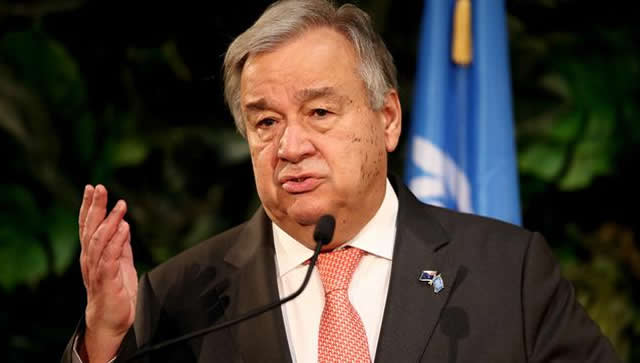
UN Secretary-General António Guterres expressed concern over reports of xenophobic violence, condemning attacks against migrants and calling for decisive measures to address the situation. The UN chief emphasised the need for authorities to uphold human rights and ensure the safety of all residents, regardless of nationality.
He urged South African authorities to take concrete steps to end South Africa xenophobia, including holding perpetrators accountable and strengthening law enforcement responses to prevent further incidents. In parallel, South African officials have acknowledged the situation and pledged action against those responsible for xenophobic acts. Authorities stated that individuals involved in violence or incitement would be identified and prosecuted in line with the law.
Diaspora groups, including Nigerian community organisations, have also called for urgent intervention, citing cases of harassment, intimidation, and violence against foreign nationals. They urged both Nigerian and African leaders to engage diplomatically with South African authorities to address the situation.
The renewed focus on South Africa xenophobia highlights broader concerns about migration, economic inequality, and social cohesion within the region. Persistent attacks on foreign nationals may strain diplomatic relations between South Africa and other African countries.
The situation also raises questions about the effectiveness of existing legal and security frameworks in protecting vulnerable populations. Addressing these challenges may require coordinated action involving national governments, regional bodies, and international organisations.