



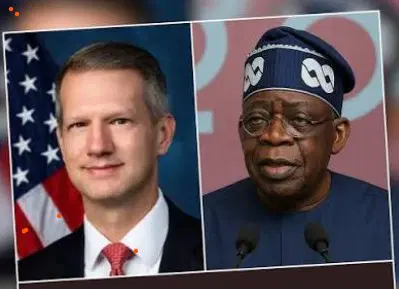
A United States Congressman, Rep. Riley Moore, has opposed any move to remove Nigeria from the US list of Countries of Particular Concern over alleged persecution of Christians.
Moore cited continued attacks in Nigeria’s Middle Belt, insisting that Washington should maintain pressure on the Nigerian Government to protect vulnerable communities. The lawmaker made the position known on his official X handle while reacting to comments from the US Assistant Secretary of State for African Affairs concerning a recent attack in Plateau State.
Moore backed the US State Department’s call for Abuja to fulfil its commitment to protect Christian communities and hold perpetrators of violence accountable.
He said the Nigeria CPC designation should not be removed while what he described as attacks by radical Islamic terrorists against Christians continued. His comments followed a statement from the US Bureau of African Affairs condemning a recent attack in Plateau State in which more than 24 people were reportedly killed, while others remained missing.
The Bureau expressed concern over the attack, particularly because victims were reportedly attacked while sleeping in their homes. It called on the Nigerian Government to protect Christian communities and ensure that those responsible for violence were brought to justice.
The United States first designated Nigeria as a Country of Particular Concern in 2020 under the International Religious Freedom Act. The designation applies to countries considered to have engaged in or tolerated systematic and serious violations of religious freedom.
Nigeria was removed from the list in 2021 but remained under monitoring by the US State Department. The Trump administration returned the country to the CPC list last year.
Since then, the US-Nigeria Joint Working Group has held meetings to assess developments and examine measures taken by Abuja to address Washington’s concerns. The designation is reviewed annually, with the next review scheduled for November.
The Nigerian Government has repeatedly rejected the characterisation of the violence as religious persecution, maintaining that insecurity in affected areas is driven by several factors, including land disputes, resource conflicts and criminality.
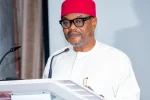
Meanwhile, the Christian Elders and Professionals Consultative Council of Nigeria (CEPCCN) expressed support for international concerns about the safety of Christian communities and Nigeria’s broader security crisis. In a statement signed by its National Chairman, Bishop Alpha Ikpeama, the group said every Nigerian life deserved equal protection regardless of religious affiliation.
The council condemned attacks against Christians, churches, clergy and Christian communities because of their faith. It also stressed that Muslims, traditional religious practitioners and other vulnerable groups must receive equal protection.
CEPCCN called for thorough investigations into attacks allegedly motivated by religious identity and the prosecution of those responsible.
It said no Nigerian should be killed, kidnapped, displaced or intimidated because of religion, ethnicity, community or political identity. The council urged the government to strengthen intelligence gathering, early-warning mechanisms, rapid-response capabilities and community protection.
“Christian lives must be protected; religious freedom must be defended. Human dignity must be respected,” it said.
The organisation nevertheless acknowledged the complexity of Nigeria’s security challenges, noting that terrorism, banditry, kidnapping, organised crime and communal tensions all contribute to the crisis. It consequently urged the Federal Government to engage international partners constructively rather than confront their concerns.
The council said cooperation with responsible international partners could help strengthen Nigeria’s capacity to protect citizens and combat terrorism. It concluded that the principle guiding the response should be universal protection: “Protect Christians. Protect Muslims. Protect traditional communities. Protect every Nigerian.”