




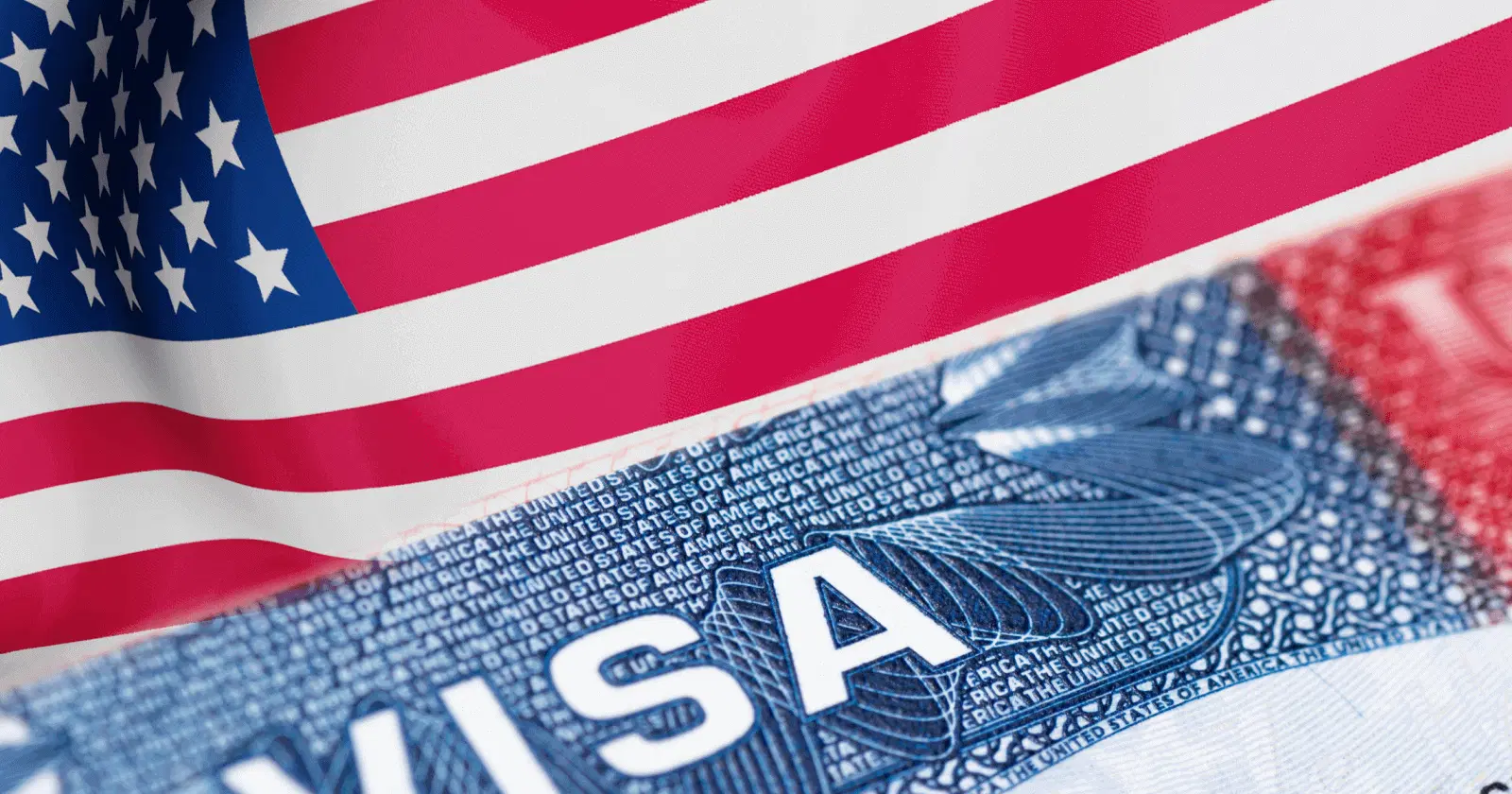
The United States is reviewing its support framework for Nigeria, with humanitarian assistance now placed under proposed stricter conditions tied to insecurity and governance outcomes. The move forms part of a US congressional proposal seeking to strengthen oversight of foreign aid disbursement and ensure measurable progress in security and humanitarian response.
The proposal is contained in a US House Appropriations Committee bill covering national security and foreign affairs funding for fiscal years 2027 and 2028. It outlines conditions for continued assistance to several countries, including Nigeria, particularly in regions facing persistent insecurity and displacement challenges.
The United States has long provided Nigeria with humanitarian assistance and development support across sectors such as health, emergency relief, and security cooperation. These programmes are typically subject to congressional review and policy adjustments based on global priorities. Recent policy discussions in Washington have increasingly focused on linking aid to governance standards, accountability mechanisms, and security performance indicators in recipient countries.
Under the proposed framework, up to 50 per cent of certain US assistance to Nigeria could be withheld until the Secretary of State certifies progress on specified security and governance conditions. The conditions attached to humanitarian assistance include improved protection of civilians, accountability for violent incidents, and enhanced response to insecurity in affected regions. The proposal also emphasises support for displaced populations and reconstruction efforts in conflict-affected communities.
Lawmakers further propose that funding disbursement should be subject to detailed reporting requirements, including spending plans and prior notification to congressional committees. The bill also links parts of humanitarian assistance to cooperation on investigations and prosecutions involving armed groups and criminal networks responsible for violence in vulnerable areas.
According to the proposal, the objective is to ensure that humanitarian assistance is effectively targeted and aligned with measurable outcomes in security and governance performance. The legislation remains under review and will require approval by the full US Congress before it can take effect.
The proposed changes to humanitarian assistance could affect the structure and timing of US support to Nigeria if enacted. Analysts note that performance-based funding models may influence how aid is allocated across emergency relief, security support, and development programmes.
The development also reflects a broader global shift toward stricter oversight of foreign aid, with donor countries increasingly requiring evidence of accountability and measurable impact. For Nigeria, the proposal highlights the importance of sustained cooperation with international partners on security reform, civilian protection, and humanitarian response systems.