




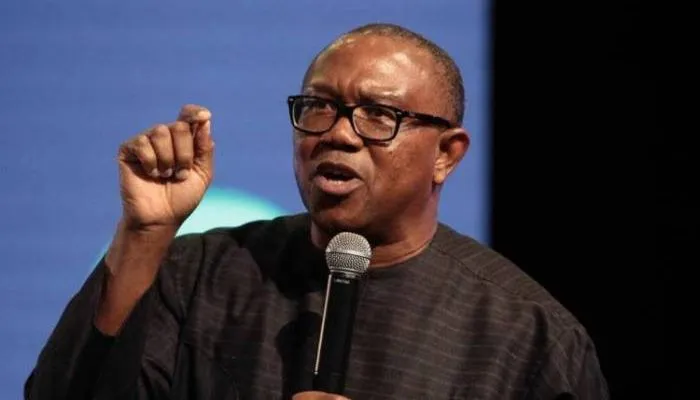
Peter Obi, former Governor of Anambra State and presidential aspirant, has highlighted the persistent poverty in Nigeria, noting that over 141 million Nigerians live below the poverty line while politicians continue to jostle for political positions.
In a statement released during a media interaction, Obi said, “It is disheartening that while over 141 million Nigerians struggle to meet their basic needs, political leaders are primarily focused on power contests rather than addressing the structural issues that perpetuate poverty.”
Obi emphasized that poverty in Nigeria is multifaceted, citing inadequate social infrastructure, high unemployment, and inflation as key drivers of economic hardship for the majority of citizens. He argued that governance must prioritize creating employment opportunities, strengthening social welfare, and reforming fiscal policies to improve living standards.
Economic analysts have noted that Nigeria’s poverty rate remains one of the highest in Africa, with the National Bureau of Statistics reporting that the situation has worsened in recent years due to inflationary pressures and limited government interventions targeting vulnerable populations.
Obi further called for stronger accountability measures and efficient governance to ensure that public resources are channeled toward programs that directly impact citizens’ welfare. “The focus of leadership must shift from political ambition to tangible results that alleviate poverty and empower communities,” he added.
Observers believe Obi’s remarks underscore a growing public sentiment that governance in Nigeria must be reoriented toward socio-economic development rather than political maneuvering. The statement also signals his continued advocacy for policies aimed at bridging inequality and promoting inclusive growth.
The former governor urged policymakers, civil society, and private sector actors to collaborate in tackling poverty, stressing that the scale of the challenge requires a coordinated national response.
Obi concluded by reiterating the urgency of addressing systemic issues to reduce poverty, improve quality of life, and create opportunities for millions of Nigerians who remain economically marginalized.