





Nigeria’s electricity sector has absorbed nearly ₦10 trillion in public funding and intervention programmes over the past 13 years, yet power generation has remained largely stagnant, raising fresh concerns about the effectiveness of investments made since the industry’s privatisation.
Industry data indicate that despite multiple government-backed financing initiatives, average electricity generation has hovered around 4,500 megawatts (MW), far below the country’s estimated demand of over 30,000MW and well short of successive government targets.
However, the Federal Government insists the narrative is about to change, with Minister of Power Joseph Tegbe unveiling a broad reform agenda aimed at tackling structural challenges that have affected the sector for decades.
An assessment of Power Sector Investments since the 2013 privatisation shows that successive administrations have injected huge sums into the electricity value chain through intervention funds, payment guarantees, debt settlement programmes and infrastructure financing.
Among the major interventions are the Central Bank of Nigeria’s ₦213 billion Nigerian Electricity Market Stabilisation Facility, the ₦701 billion Payment Assurance Guarantee for electricity generation companies, over ₦200 billion under the National Mass Metering Programme, the ₦700 billion Presidential Metering Initiative, the €2.3 billion Siemens Presidential Power Initiative, several World Bank and African Development Bank-supported projects worth more than $2.4 billion, as well as the recently introduced ₦4 trillion Presidential Power Sector Debt Reduction Programme.
Despite these investments, the Nigerian Electricity Regulatory Commission (NERC) reported that average available generation capacity during the first quarter of 2026 stood at 4,457.96MW, while actual average hourly generation was 4,112.72MW, remaining below the Federal Government’s 6,000MW target.
Beyond weak electricity supply, the sector continues to grapple with mounting financial obligations. The Association of Power Generation Companies (APGC) estimates that unpaid obligations linked to electricity subsidies have risen to ₦6.2 trillion, although the Federal Government disputes the figure.
Finance Minister Taiwo Oyedele said a reconciliation exercise reduced verified liabilities to approximately ₦3.3 trillion, but APGC Executive Director Dr. Joy Ogaji questioned the outcome, insisting generation companies were not involved in the verification process.
Data from the Nigerian Bulk Electricity Trading (NBET) also show that while subsidy invoices between April 2025 and April 2026 totalled ₦1.859 trillion, only about ₦76.95 billion was paid, leaving outstanding obligations running into trillions of naira.
To ease the liquidity challenge, the Federal Government has turned to the domestic bond market, already disbursing roughly ₦333 billion to generation companies while launching an additional ₦729 billion bond under its debt reduction programme.
Stakeholders argue that continued government intervention has failed to produce meaningful improvements. President of the Nigeria Consumer Protection Network, Kunle Olubiyo, said excessive government involvement has encouraged inefficiency and created opportunities for inflated claims and financial leakages throughout the electricity value chain.
He advocated full privatisation of the industry, including the unbundling of the Transmission Company of Nigeria (TCN), arguing that increased private-sector participation would improve efficiency and reduce unnecessary costs reflected in electricity tariffs.
Similarly, President of the Chartered Institute of Power Engineers of Nigeria (CIPEN), Engr. Israel Abraham, attributed the sector’s struggles to poor leadership, stressing that highly technical institutions should be managed by experienced professionals with the necessary expertise.
Responding to concerns, Minister of Power Joseph Tegbe said the administration of President Bola Tinubu has begun implementing comprehensive reforms to reposition the electricity industry. According to him, the government’s objective is to improve electricity availability, strengthen grid reliability, restore financial sustainability and rebuild investor confidence.
Among the key initiatives are a nationwide technical audit of transmission infrastructure, harmonisation of federal and state electricity regulations, grid stabilisation projects, expanded transmission corridors, improved market liquidity, strategic asset optimisation and the development of a national super grid.
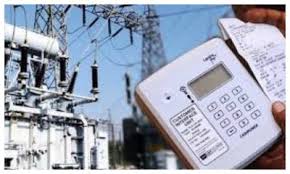
The minister also highlighted ongoing efforts under the Presidential Metering Initiative, youth-driven meter installation through the newly launched Power Force, increased rural electrification and reforms aimed at attracting private investment into the sector.
Tegbe disclosed that electricity generation has recently reached 5,000MW over the past two weeks, describing it as an encouraging sign despite acknowledging that substantial work remains across generation, transmission and distribution.
He expressed confidence that ongoing Power Sector Investments and structural reforms would deliver noticeable improvements within the next two to three years, including a more stable national grid, reduced technical losses, improved operational efficiency and wider electricity access for Nigerians.