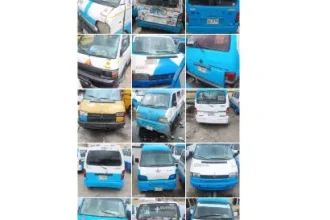



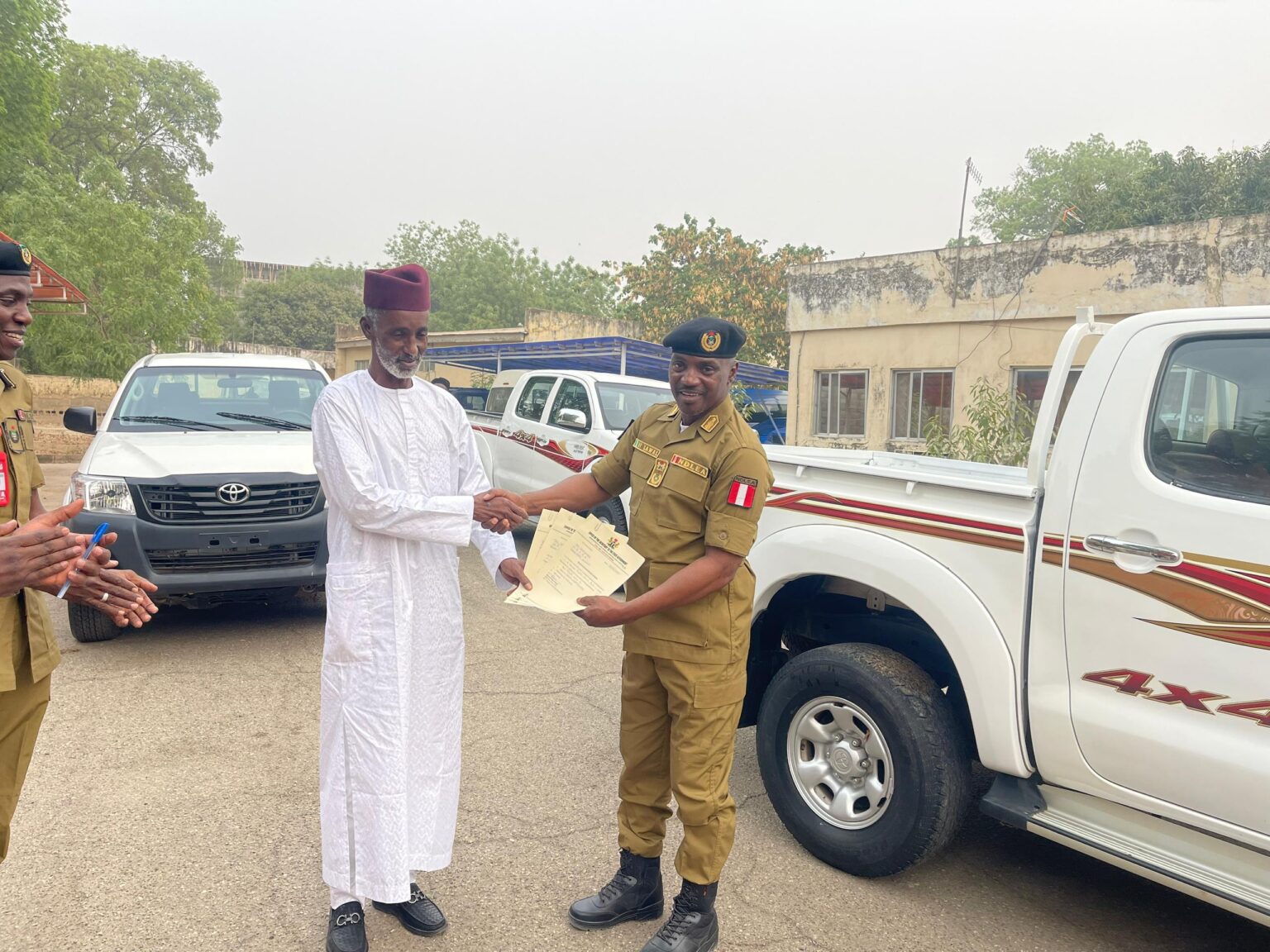
In a move to strengthen the fight against drug trafficking and abuse, Kano donates three vehicles to support operations of the National Drug Law Enforcement Agency in the state. The intervention is aimed at enhancing mobility and operational efficiency of NDLEA personnel.
The National Drug Law Enforcement Agency plays a central role in Nigeria’s efforts to combat illicit drug trafficking, substance abuse, and related crimes.
Across several states, the agency has intensified enforcement operations, seizures, and public awareness campaigns.
Kano State, due to its population size and strategic location as a commercial hub, has remained a key area in anti-drug enforcement activities.
The decision that Kano donates three vehicles reflects ongoing collaboration between state governments and federal security agencies to strengthen operational capacity.
The Kano State Government confirmed that Kano donates three vehicles to the NDLEA to support its operational activities across the state. The vehicles were officially handed over during a brief ceremony attended by government officials and representatives of the agency.
State authorities explained that the donation was in response to operational challenges faced by NDLEA personnel, particularly in logistics and mobility. The vehicles are expected to assist officers in surveillance, patrol, and rapid response to drug-related incidents.
Officials noted that the support aligns with the government’s broader commitment to addressing drug abuse and its associated social consequences. They emphasised that strengthening enforcement capacity is essential to reducing the spread of illicit substances.
NDLEA representatives who received the vehicles expressed appreciation for the support, stating that it would significantly enhance field operations.
The agency highlighted that mobility remains a critical factor in tracking and intercepting drug trafficking networks.
The NDLEA also reiterated its ongoing efforts in Kano, including arrests, seizures of illicit substances, and rehabilitation initiatives for individuals affected by drug abuse. The agency emphasised the importance of collaboration with state governments and communities.
Authorities further stressed that drug abuse continues to pose risks to public health, youth development, and security. The donation where Kano donates three vehicles is expected to contribute to more effective enforcement and prevention strategies.
The development in which Kano donates three vehicles underscores the role of intergovernmental collaboration in addressing drug-related challenges.
Improved logistics support for NDLEA operations may enhance surveillance capabilities, increase response speed, and strengthen enforcement outcomes in the state.
The initiative also reflects broader efforts to tackle drug abuse as a public health and security concern, particularly among young people.