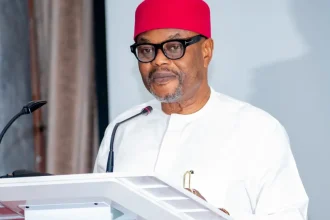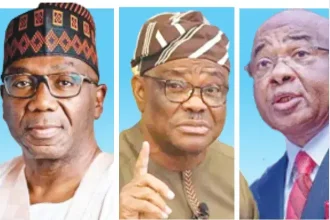






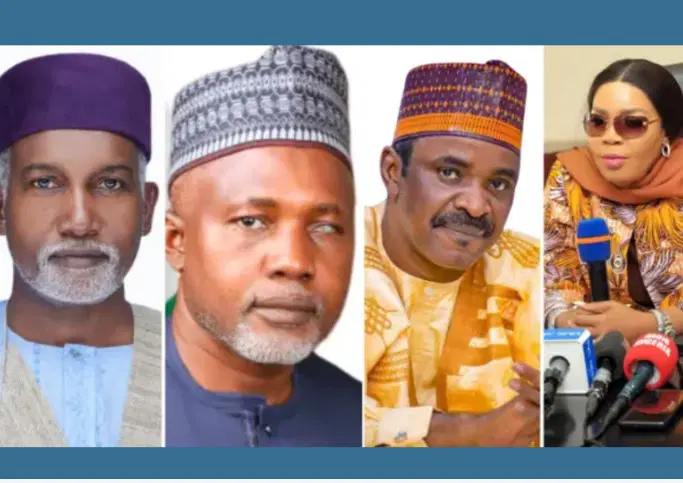
As political activities begin to gather momentum nationwide, ex-ministers tough battles are emerging across several states as former federal appointees reposition for influence ahead of the 2027 general elections.
The development reflects growing competition within party structures and evolving political alignments at the subnational level.
Following their exit from federal cabinet positions, several former ministers have returned to their states to re-engage in local politics.
Many are seeking elective offices or strategic roles within party hierarchies as preparations for the next election cycle gradually intensify.
Nigeria’s political system often witnesses such transitions, where former federal officials attempt to leverage national exposure in local contests.
However, success at the state level frequently depends on grassroots support, established networks, and internal party dynamics.
Across multiple regions, ex-ministers tough battles are becoming evident as returning political figures encounter resistance from both opposition parties and entrenched interests within their own platforms.
In several states, stakeholders note that these former ministers must rebuild local alliances after spending extended periods in federal roles.
This has created a competitive landscape where long-standing political actors continue to maintain strong grassroots influence.
Political consultations and stakeholder engagements have intensified, with aspirants holding meetings to secure endorsements and align with influential blocs.
Despite these efforts, internal disagreements within parties have added complexity to the process.
Observers indicate that ex-ministers tough battles are further shaped by local considerations such as zoning arrangements, regional representation, and performance expectations.
These factors are influencing how party members and constituents respond to returning figures.
Additionally, emerging political actors are entering the race, increasing competition and introducing new dynamics into state-level contests.
Analysts suggest that effective grassroots mobilisation and sustained engagement with constituents will play a critical role in determining political outcomes.
In some states, alliances remain fluid, with ongoing negotiations expected to influence candidate selection processes.
This environment underscores the competitive and often unpredictable nature of Nigerian subnational politics.
The trend where ex-ministers tough battles are unfolding highlights the complexity of political repositioning at the state level.
Heightened competition may lead to increased political activity, including coalition-building, negotiations, and strategic alignments within parties.
These developments could shape candidate emergence and influence electoral outcomes in key states.
The situation also reflects a broader pattern in Nigerian politics, where federal-level experience does not automatically translate into dominance in state politics, particularly where local structures are firmly established.