






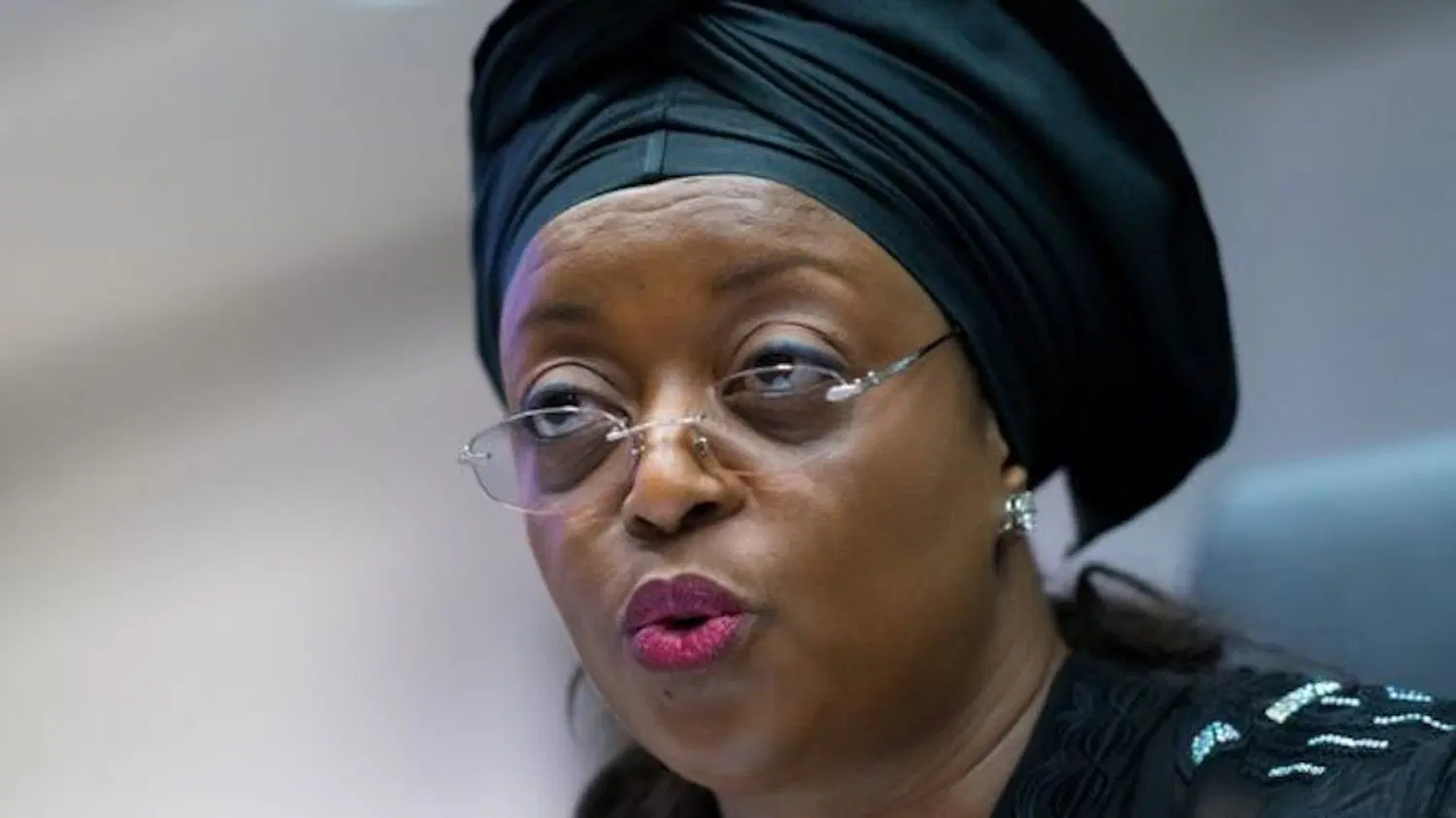
Lawyers representing former Nigerian Minister of Petroleum Resources, Diezani Alison-Madueke, have raised fair trial concerns in the ongoing corruption proceedings before the Southwark Crown Court in London, citing issues around evidence disclosure, investigative processes, and the handling of materials linked to the defence.
The case, which forms part of long-running UK legal proceedings involving alleged bribery and financial misconduct during her tenure between 2010 and 2015, has continued to draw attention as both prosecution and defence conclude their submissions ahead of a jury verdict. The renewed focus on fair trial concerns emerged from arguments presented by her legal team during closing stages of the trial.
Defence counsel Jonathan Laidlaw told the court that key materials required for the defence were either unavailable, incomplete, or not properly disclosed. He argued that the absence of certain documents and alleged inconsistencies in evidence management had affected the ability of the defence to fully respond to prosecution claims. These submissions were made as part of broader fair trial concerns raised during the proceedings.
The defence also questioned investigative actions carried out during earlier stages of the case, including a 2015 raid on the former minister’s Abuja residence. According to submissions reported in court, the defence alleged procedural gaps in the handling of seized materials and raised concerns that relevant documentation supporting their case was not fully available for examination.
Another element of the fair trial concerns relates to claims that key documents tied to financial transactions and official reimbursements were either missing or not properly shared with the defence team. The lawyers argued that such gaps limited their ability to challenge aspects of the prosecution’s allegations.
Prosecutors, however, maintained that the evidence presented in court was sufficient to support the charges, which include allegations that the former minister received improper benefits from oil industry figures during her time in office. They argued that there was no credible documentary proof supporting claims of legitimate reimbursement or official justification for the alleged benefits.
The prosecution further stated that the case was built on financial records, witness accounts, and investigative findings gathered over several years. They rejected assertions that the absence of certain materials undermined the integrity of the proceedings, insisting that the available evidence met legal thresholds required for trial.
The matter of fair trial concerns has also been linked to arguments about whether alleged intermediaries involved in the transactions were charged alongside the accused, a point the defence has repeatedly questioned during proceedings.
With both sides having completed their submissions, the case is now before the jury at Southwark Crown Court for deliberation. The outcome is expected to determine whether the prosecution’s evidence is sufficient to establish guilt beyond reasonable doubt under UK criminal law standards.
Observers note that the case continues to highlight wider legal debates around cross-border investigations, evidence accessibility, and procedural fairness in complex financial crime trials involving international figures.