





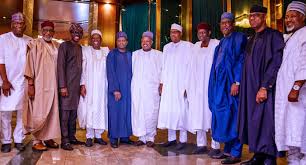
APC governors handpicked leaders during decisive national convention consultations. A closed-door meeting produced a consensus leadership list, which removed three incumbents before delegates convened at eagle square, Abuja.
The session occurred away from delegates and cameras. Participants finalized positions on National Working Committee offices. The agreed list later guided convention proceedings.
APC governors acted as central power brokers. Their deliberations harmonised competing interests across blocs. And this process produced a unified leadership arrangement.
The outcome effectively determined positions before voting. Delegates subsequently ratified the consensus arrangement.
Sources indicated the process ended three tenures. The incumbents lost positions before convention deliberations. The decisions followed negotiations among influential governors.
Party leaders framed the approach as consensus. The list was eventually presented for adoption.
The consensus method shaped leadership emergence nationwide while arty officials adopted the list without contest.
Delegates endorsed the governors’ harmonised recommendations. Which avoided open electoral competition. But reflected internal bargaining among power blocs.
The convention gathered stakeholders across the federation. Delegates arrived to elect national executives. However, negotiations preceded formal voting arrangements. The governors’ agreement structured final outcomes. The exercise formalised leadership changes.
The development followed growing governors’ influence within party structures. State leaders traditionally control delegates and mobilisation networks.
Their bargaining power shapes internal decisions. The consensus list reflected negotiated political alignments. It also balanced regional and strategic considerations.
Party insiders described the meeting as decisive. The governors coordinated positions before proceedings began. The harmonisation aimed to prevent divisive contests. The decision strengthened internal cohesion. It also ensured smooth conduct of the convention.
The outcome confirmed governors’ influence over leadership selection. Delegates adopted the prepared list afterward. The process concluded with emergence of new officials.
The displaced incumbents exited leadership structures. The convention formally ratified negotiated arrangements.
The leadership reshuffle carries organisational implications. New executives assume responsibility for party administration.
The changes may shape preparations for upcoming elections. Internal consensus mechanisms could influence future contests. Observers expect continued governors’ role in decisions.
The party is expected to inaugurate officials subsequently. Administrative transitions will follow convention ratification. Stakeholders anticipate policy and organisational adjustments.
The leadership structure now reflects negotiated consensus. Further developments depend on implementation phases.