






The Federal Government has defended the prisoner transfer agreement signed with Ethiopia, stating that the arrangement aligns with the citizen diplomacy objectives of President Bola Tinubu’s Renewed Hope Agenda. The agreement is designed to enable eligible Nigerian inmates serving prison sentences in Ethiopia to return home and complete their terms in Nigeria. Officials say the initiative prioritises the welfare and dignity of Nigerians incarcerated abroad while preserving legal obligations between both countries.
The agreement forms part of broader diplomatic efforts aimed at addressing the challenges faced by Nigerians detained in foreign countries. According to the Ministry of Foreign Affairs, discussions on transferring Nigerian prisoners from Ethiopia have been ongoing for several years.
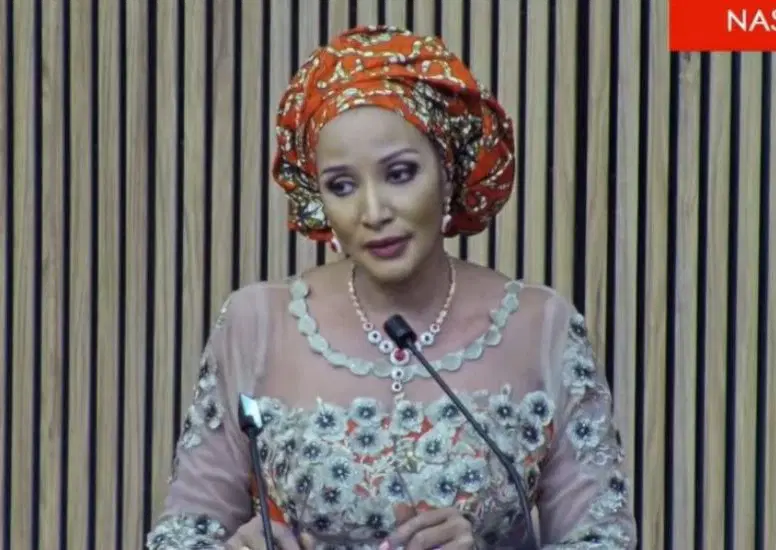
Foreign Affairs Minister, Ambassador Bianca Odumegwu-Ojukwu, described the development as an important diplomatic milestone that reflects the government’s commitment to protecting the interests of Nigerians in the diaspora. The minister said difficulties in obtaining accurate data on Nigerian inmates had contributed to delays in concluding the arrangement.
In a statement issued on Friday through her Special Assistant on Communication and New Media, Dr. Magnus Eze, the minister dismissed reports circulating online that claimed 136 Nigerians were imprisoned in Ethiopia. She stated that the figures being shared on various platforms were inaccurate and that the prisoner transfer agreement specifically covers 98 inmates held in Kaliti and Aba Samuel prisons, both of which are maximum-security facilities.
Odumegwu-Ojukwu explained: “Essentially, if prisoners have been sentenced in one country and they are serving a jail term in that country, they can return to their state or country of origin to serve out the sentence.” She added that the inmates had sought repatriation for years due to difficult living conditions, health challenges, inadequate medical facilities, poor feeding, limited legal support, language barriers, and restrictions on visitation.
The minister further disclosed that four Nigerian prisoners died while negotiations between the two countries were ongoing. Addressing concerns that returning inmates could be granted immediate freedom, she noted that the prisoner transfer agreement contains safeguards preventing unilateral pardons or amnesties without the consent of the sentencing country.
“The list trending online is a made-up list. We don’t have 136 inmates in Aba Samuel and Kaliti prisons. Those that are subject to this agreement, the transfer of sentenced persons, are 98 inmates of that prison,” she said.
The agreement highlights Nigeria’s growing use of diplomatic channels to address the welfare of citizens detained abroad. It also reflects international practices that allow convicted individuals to serve sentences closer to their families and support networks while remaining subject to lawful punishment. Officials argue that the arrangement could improve inmate welfare without undermining judicial outcomes, as transferred prisoners will continue serving their existing sentences under agreed conditions.
The Federal Government has reiterated that the transfer process is not a pathway to amnesty or pardon but a humanitarian measure intended to improve the welfare of affected citizens. Authorities say implementation of the agreement will proceed within the framework agreed by both countries, while ensuring that transferred inmates complete their sentences in accordance with the law.