





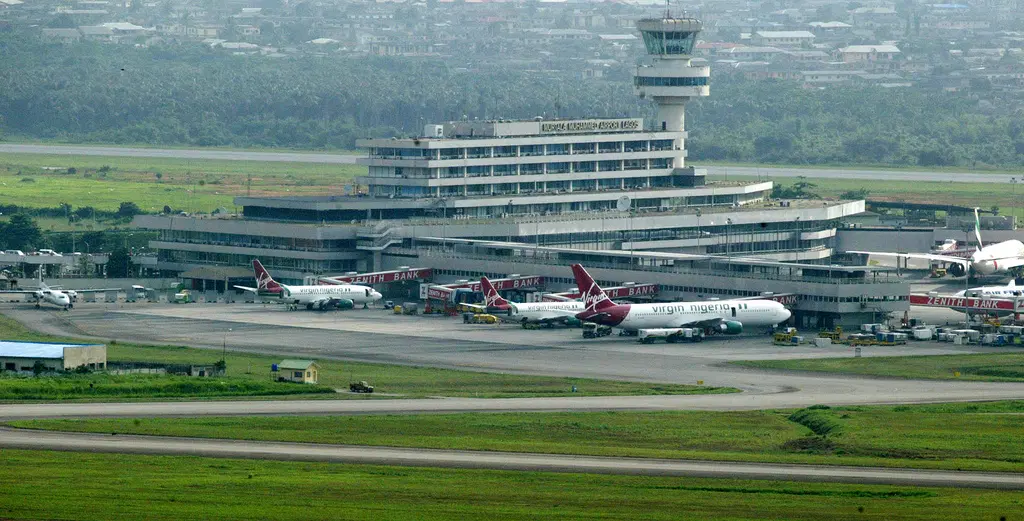
Lagos State has intensified Ebola surveillance measures at the Murtala Muhammed International Airport, MMIA, following reports of Ebola outbreaks in parts of Central and East Africa. State health authorities said the enhanced Ebola surveillance initiative is aimed at preventing the importation of the virus into Nigeria and strengthening preparedness at key points of entry. The move comes as public health agencies across Africa increase monitoring efforts in response to the evolving regional health situation.
Nigeria has maintained a strong focus on infectious disease preparedness since successfully containing an Ebola outbreak in 2014. Health authorities have continued to strengthen surveillance systems, emergency response structures, laboratory capacity, and coordination mechanisms to detect and manage potential public health threats.
Recent outbreaks of the Bundibugyo strain of Ebola virus disease in the Democratic Republic of the Congo and Uganda have prompted increased vigilance across the continent. The World Health Organization, WHO, has classified the situation as a significant regional public health concern, leading several countries to review preparedness measures at airports, seaports, and land borders.
The Lagos State Government stated that the current Ebola surveillance effort forms part of broader measures to safeguard public health and ensure early detection of any suspected case entering the country through international travel routes.
The Lagos State Commissioner for Health, Prof. Akin Abayomi, announced that health authorities had activated enhanced surveillance protocols at the Murtala Muhammed International Airport. According to him, health officials are working closely with relevant federal agencies and airport authorities to monitor arriving passengers and strengthen screening procedures.
Abayomi stated that public health officials have increased awareness among healthcare workers and emergency response personnel while ensuring readiness across health facilities. He emphasized that no case of Ebola had been reported in Lagos or elsewhere in Nigeria at the time of the announcement.
The commissioner explained that the state had activated its Incident Command Structure and placed disease surveillance teams on alert. He noted that screening measures, risk assessments, and reporting mechanisms had been reinforced to support rapid identification and response if a suspected case is detected.
Health officials also confirmed ongoing collaboration with the Nigeria Centre for Disease Control and Prevention, NCDC, the Federal Ministry of Health and Social Welfare, port health authorities, and international partners to monitor developments across affected countries and maintain situational awareness.
The enhanced Ebola surveillance measures reflect Nigeria’s emphasis on prevention and early detection as key public health strategies. Given Lagos’ position as a major international travel hub, authorities consider airport monitoring critical to reducing the risk of disease importation.
Public health experts note that strong surveillance systems can support timely intervention, limit transmission risks, and improve coordination between health institutions. The measures are also intended to reassure the public while ensuring that preparedness activities remain evidence-based and proportionate to the assessed risk.