





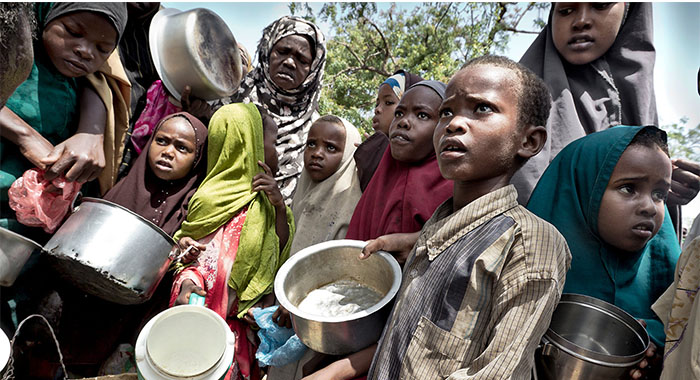
United Nations agencies have warned that acute hunger could affect about 35 million Nigerians in the coming months as rising food prices, insecurity, flooding, and economic pressures continue to worsen food access across parts of the country. The warning was issued in a joint food security assessment highlighting growing humanitarian concerns and the urgent need for intervention to prevent deeper levels of acute hunger nationwide.
Nigeria has faced persistent food security challenges linked to armed conflict, displacement, inflation, and disruptions in agricultural production. Several northern states continue to record reduced farming activities due to insecurity, while climate-related incidents such as flooding have affected harvests and supply chains in different regions.
International humanitarian organisations and government agencies have repeatedly raised concerns over deteriorating food conditions in vulnerable communities. Rising transportation costs, currency pressures, and increasing prices of staple foods have also contributed to declining purchasing power among households.
The latest assessment was conducted by United Nations agencies and humanitarian partners monitoring food insecurity trends in Nigeria. The report identified millions of people at risk of severe food shortages during the lean season, particularly in conflict-affected and economically vulnerable areas.
According to the report, approximately 35 million people may experience acute hunger during the projected period if urgent humanitarian and economic support measures are not strengthened. The agencies noted that children, pregnant women, internally displaced persons, and rural farming communities remain among the most vulnerable groups.
The assessment linked the worsening food situation to insecurity in farming areas, high inflation, reduced agricultural productivity, and recurrent climate shocks. Humanitarian officials also warned that weakened household incomes and increasing food prices have reduced access to nutritious meals for millions of Nigerians.
The United Nations agencies called for expanded emergency food assistance, agricultural support programmes, and coordinated interventions aimed at stabilising food production. They stressed that addressing the drivers of acute hunger requires collaboration between federal authorities, development agencies, and humanitarian partners.
The report further noted that some households are already adopting negative coping strategies, including reducing meal portions, skipping meals, and selling productive assets to survive economic hardship.
The warning over acute hunger carries significant implications for public health, economic stability, and national development. Food insecurity can increase malnutrition rates, weaken productivity, and place additional pressure on healthcare and humanitarian systems.
Analysts also note that prolonged acute hunger conditions may deepen poverty levels and heighten social vulnerabilities in affected communities. The situation could further impact agricultural output and economic recovery efforts if insecurity and inflationary pressures persist. The assessment reinforces concerns about the broader humanitarian and economic consequences of food insecurity in Africa’s largest economy.