





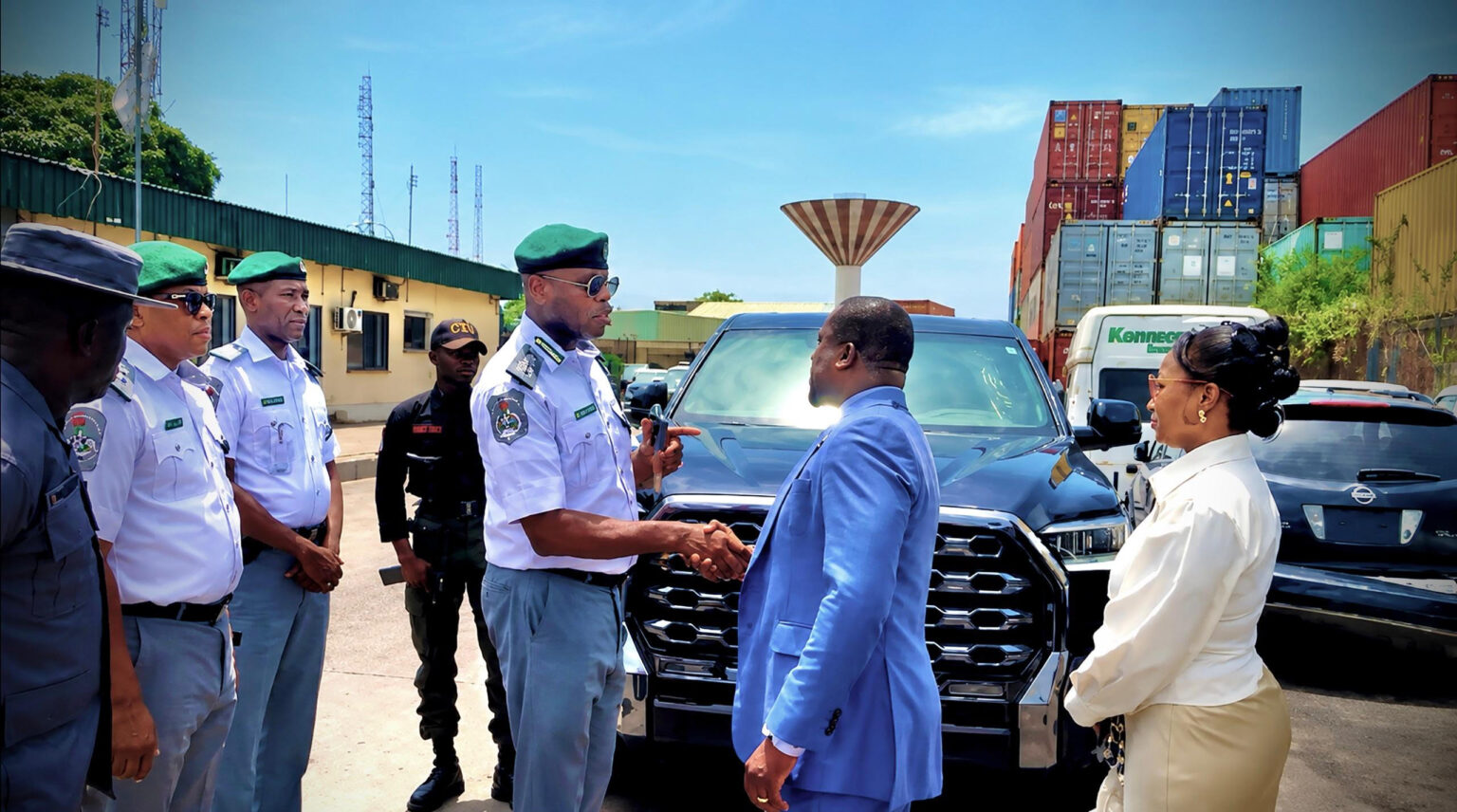
The Nigeria Customs Service has intercepted several stolen vehicles smuggled into the country from Canada, including luxury brands such as Rolls-Royce and Lamborghini, during operations conducted at ports in Lagos. The seizures form part of ongoing collaboration between Nigerian and Canadian authorities aimed at combating transnational vehicle theft and smuggling networks.
Vehicle smuggling and trafficking of stolen automobiles have remained major concerns for customs authorities and international law enforcement agencies. Criminal networks often move stolen luxury vehicles across international borders using falsified shipping documents and altered identification records.
Nigeria has previously been identified as one of the destinations used by international syndicates involved in trafficking stolen vehicles from North America and Europe. In response, customs authorities have intensified intelligence-sharing arrangements with foreign agencies to strengthen border enforcement and cargo inspections.
The Nigeria Customs Service has in recent years increased anti-smuggling operations at ports and border corridors as part of wider efforts to curb illicit trade and improve compliance with import regulations.
According to the Nigeria Customs Service, the intercepted consignment included luxury automobiles suspected to have been stolen in Canada before being shipped to Nigeria through illegal channels. Among the recovered vehicles were Rolls-Royce, Lamborghini, and other high-value automobiles. Customs officials disclosed that the operation was carried out through coordinated intelligence efforts involving the Canada Border Services Agency and other international enforcement partners.
The Comptroller-General of Customs, Adewale Adeniyi, stated that the seizure demonstrates growing international cooperation in addressing organised smuggling activities and cross-border vehicle theft. He explained that the intercepted automobiles were identified through verification procedures involving chassis numbers, shipping records, and intelligence reports shared between both countries.
The stolen vehicles smuggled into Nigeria were reportedly concealed within imported consignments and processed using falsified documentation aimed at evading detection during port clearance procedures. Customs authorities stated that investigations are ongoing to identify individuals and networks connected to the shipment and possible local collaborators involved in facilitating the imports.
Officials also confirmed that some of the vehicles may eventually be repatriated to Canada following completion of legal and investigative procedures. The interception of the stolen vehicles smuggled through Nigerian ports forms part of broader enforcement operations targeting revenue evasion, illicit imports, and organised criminal trafficking activities.
The interception of stolen vehicles smuggled into Nigeria highlights the increasing sophistication of international vehicle trafficking networks and the importance of cross-border intelligence cooperation.
The development also reinforces concerns about the use of Nigerian ports by organised criminal groups involved in illicit automobile trade and document falsification. Security and trade experts say stronger customs enforcement, digital tracking systems, and international collaboration may help reduce illegal importation and improve cargo monitoring processes.