






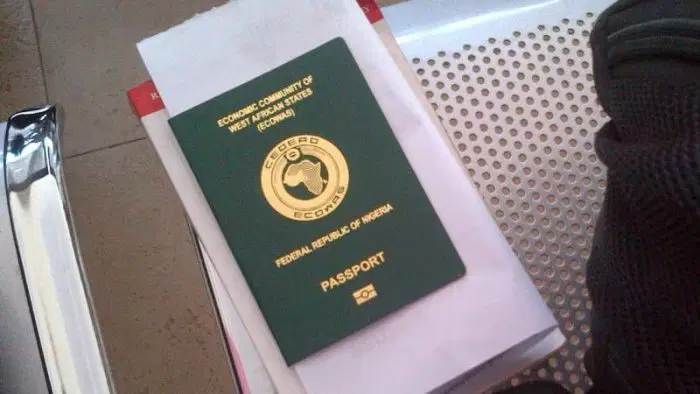
The Nigeria Immigration Service (NIS) has dismissed reports linking a religious organisation to passport processing, stating that passport payments claims circulating online are false and misleading. The agency clarified that all passport applications and payments must be made through its official channels, warning Nigerians against engaging with unauthorised entities.
The clarification follows the circulation of messages suggesting that a religious body was involved in facilitating passport payments or processing on behalf of the NIS. Such claims have raised concerns about possible fraud and misinformation targeting Nigerians seeking travel documents.
The NIS has consistently maintained that passport issuance is a government-controlled process carried out through designated platforms and offices. Payments for passports are processed electronically through official systems approved by the Federal Government. The emergence of passport payments claims reflects a broader trend of misinformation and impersonation affecting public service delivery systems in Nigeria.
In an official statement, the NIS said it had no partnership or arrangement with any religious organisation for passport processing or payment collection. The agency emphasised that any information suggesting otherwise should be disregarded.
The Service reiterated that all applicants must follow established procedures, including online application, payment through authorised platforms, and biometric capture at designated centres. According to the NIS, the passport payments claims being circulated are intended to mislead the public and could expose individuals to fraud or financial loss.
The agency also warned that engaging with third parties outside official channels may result in invalid applications or delays in processing. Officials further urged Nigerians to verify all information through official communication channels, including the NIS website and recognised government platforms.
The NIS stated that investigations into the source of the passport payments claims are ongoing, with security agencies expected to take action against individuals or groups found responsible for spreading false information.
The clarification on passport payments claims highlights the risks associated with misinformation in public service processes. It underscores the need for citizens to rely on verified government channels when accessing essential services such as passport applications.
The incident also reflects broader challenges in managing digital misinformation, particularly where fraudsters exploit demand for public services. Authorities say continued public awareness and enforcement are necessary to prevent exploitation and protect applicants from financial and administrative risks.