




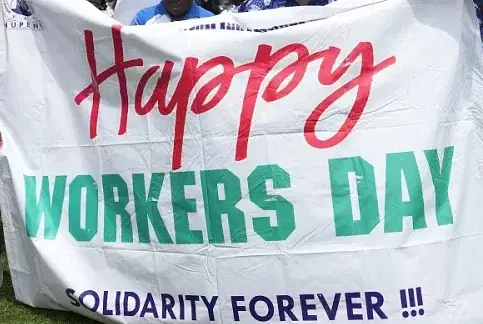
On Workers’ Day, African Workers across the continent raised concerns over widening inequality, elite control of resources, and what labour groups described as significant financial losses affecting development priorities. The message from organised labour highlighted worsening economic pressures on workers, limited social protection, and growing disparities in income distribution across several African countries.
May Day, observed globally on May 1, is used by labour movements to highlight working conditions and economic challenges. In 2026, labour organisations across Africa used the occasion to draw attention to structural inequality affecting both formal and informal workers.
The African Regional Organisation of the International Trade Union Confederation (ITUC-Africa) has consistently raised concerns about economic systems that they say contribute to uneven wealth distribution. These concerns are often linked to unemployment, inflation, and limited access to welfare systems across many African states.
For African Workers, the day has increasingly become a platform to demand stronger governance frameworks, improved wage systems, and greater accountability in public financial management.
Labour groups under ITUC-Africa stated that the continent continues to experience significant financial leakages through illicit financial flows, tax inefficiencies, and governance gaps. These losses were described as major constraints on development financing, particularly in areas such as healthcare, education, and infrastructure.
The organisation also raised concerns about widening inequality, stating that wealth is increasingly concentrated among a small segment of society while a large population of African Workers continue to face economic hardship.
According to the labour federation, policy choices in several countries have prioritised austerity measures that, in their view, place additional strain on workers through reduced public spending and stagnant wages.
The group also linked broader regional instability, including insecurity in parts of the Sahel, to economic pressures affecting livelihoods and productivity. These conditions, they noted, further complicate efforts to improve working conditions across the continent.
Reports from labour organisations also indicate that informal workers remain particularly vulnerable due to limited access to social protection systems, despite representing a significant share of the workforce in many African economies.
The concerns raised by African Workers on May Day reflect ongoing debates about inequality and economic governance across the continent. Labour groups argue that addressing financial leakages and improving transparency could expand fiscal space for development spending and social support systems.
Persistent inequality may also place pressure on governments to reassess economic policies, particularly those affecting wages, taxation, and public service delivery. Analysts note that improving working conditions remains central to broader efforts aimed at economic stability and social cohesion.