




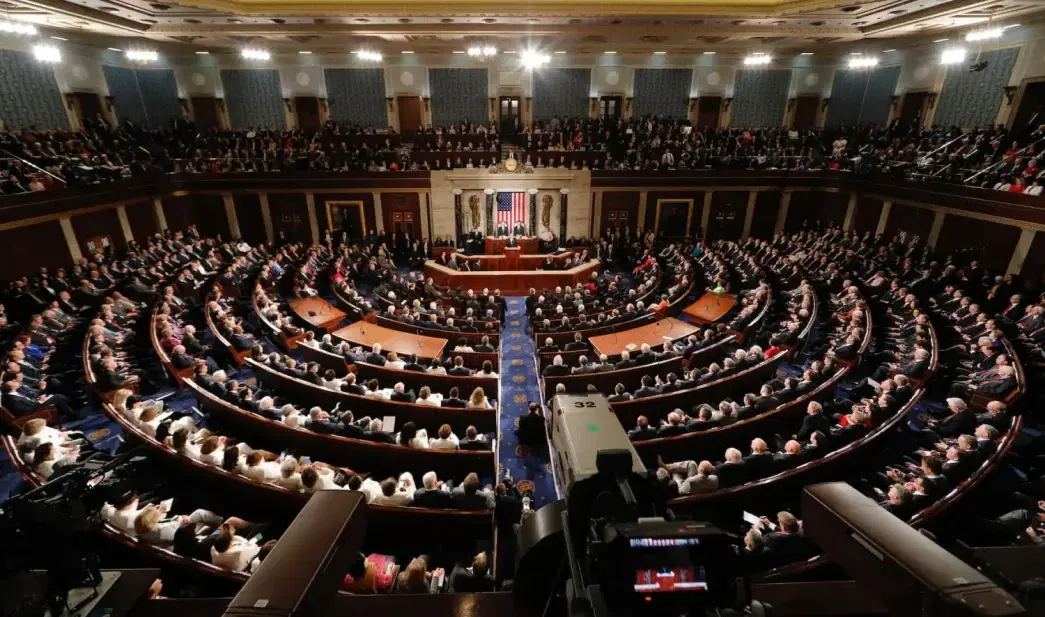
The United States House Committees on Appropriations and Foreign Affairs have submitted a comprehensive report to the White House recommending a range of measures aimed at addressing the alleged persecution of Christians in Nigeria.
The report was delivered following investigations directed after Nigeria was redesignated as a Country of Particular Concern under United States policy on international religious freedom.
The investigation by lawmakers included congressional hearings, expert testimony, consultations with religious leaders, and fact-finding visits to Nigeria.
The designation and subsequent inquiry were undertaken as part of United States efforts to examine security challenges and incidents of violence attributed to extremist and militia activity across parts of Nigeria.
In the report, lawmakers recommended that the United States and the Nigerian government enter a bilateral security agreement focused on protecting vulnerable communities from violent attacks, including measures to eliminate extremist activities and strengthen economic cooperation.
The congressional document sets out proposals to withhold certain United States funds until demonstrable action is taken by Nigeria to reduce violence.
It also recommends continuing and expanding security cooperation, including through provision of technical support and enhanced defence collaboration.
A range of other recommendations in the report include imposing sanctions and visa restrictions on individuals or groups linked to violence, strengthening anti-money laundering systems to disrupt terror financing, and supporting legal reforms aimed at protecting religious freedom.
The report also recommends repealing certain laws such as blasphemy provisions and Sharia codes in northern states, which lawmakers said were used to justify discrimination, and collaborating with international partners to counter transnational extremist networks.
The submission of the report signals heightened legislative engagement by United States policymakers on issues relating to religious freedom and security challenges affecting communities in Nigeria.
If adopted into policy, the recommendations could influence United States foreign assistance, security cooperation frameworks, and diplomatic engagement with Nigeria.
The suggested measures also form part of a broader examination of Nigeria’s security landscape and responses to violence attributed to various armed groups, with potential implications for bilateral relations.