

The Federal Government’s reported $9 million (about N12.8 billion) contract with a United States-based lobbying firm has sparked strong pushback from political parties and commentators, who question the timing and priority of the expenditure amid Nigeria’s security and economic challenges.
Documents filed with the United States Department of Justice show the government retained the DCI Group, a Washington public affairs and lobbying firm, with an initial six-month contract valued at $9 million. This engagement is aimed at countering claims of Christian genocide in Nigeria and reinforcing bilateral support.
Under the agreement, the US firm will receive $750,000 per month, with Nigeria reportedly paying $4.5 million upfront in December 2025. The contract includes an automatic renewal clause unless either party terminates it with advance notice.
Supporters of the deal say it seeks to challenge what Nigeria describes as a distorted narrative about religious persecution, emphasising that violence in the country is driven by terrorism, banditry and organised crime, not systematic, religion-based genocide.
Opposition parties, including the African Democratic Congress (ADC), Peoples Democratic Party (PDP), New Nigeria Peoples Party (NNPP) and Labour Party, have criticised the lobbying contract as misplaced and insensitive.
They argue that spending scarce public funds on paid lobbying in Washington while many Nigerians face rising insecurity, inflation and unemployment shows misplaced priorities. Critics say lobbying cannot “erase the reality of mass killings, widespread insecurity and state failure at home” and that investment in public welfare and security would better improve Nigeria’s image abroad.
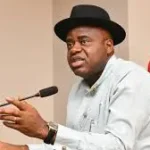
PDP’s National Publicity Secretary, Ini Ememobong, told The PUNCH that the government appeared more focused on image management abroad than on addressing pressing domestic issues. He said effective governance and protection of citizens should be central to improving Nigeria’s global reputation.
The lobbying effort comes amid heightened debate over allegations from some US political figures and groups that Christians in Nigeria are facing targeted violence.
The Federal Government has repeatedly denied that a genocide is occurring, maintaining that insecurity affects communities across faiths and is not rooted in religious persecution.
Government officials argue the narrative of genocide is misleading and can deepen divisions and undermine national unity. Critics of the genocide framing also say it overlooks the complex drivers of violence in Nigeria, including terrorism and criminal activities.
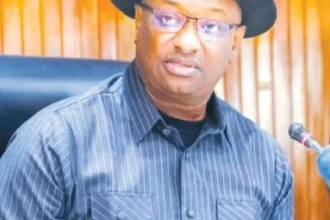
Scholars and commentators have also weighed in. For example, Dr Kunle Fagbemi, a security and defence expert, questioned the need for expensive lobbying, saying resources could be better spent on improving the lives of Internally Displaced Persons (IDPs) and addressing humanitarian needs.
He said the lobbying effort “casts doubt on officials of the Nigerian state” given competing development priorities.
Supporters of the lobbying deal argue that engaging with international audiences is necessary to protect diplomatic ties and counter narratives that could result in sanctions or reduced cooperation. They note that the contract aims to communicate Nigeria’s counter-terrorism efforts and protect its interests in Washington.
However, the debate underlines broader tensions over how Nigeria addresses insecurity, communicates its policies internationally, and allocates resources amid competing domestic needs.
The controversy continues to draw public and political attention as stakeholders debate the effectiveness and appropriateness of paid lobbying to shape international perceptions versus direct investment in national security, governance and citizen welfare.