





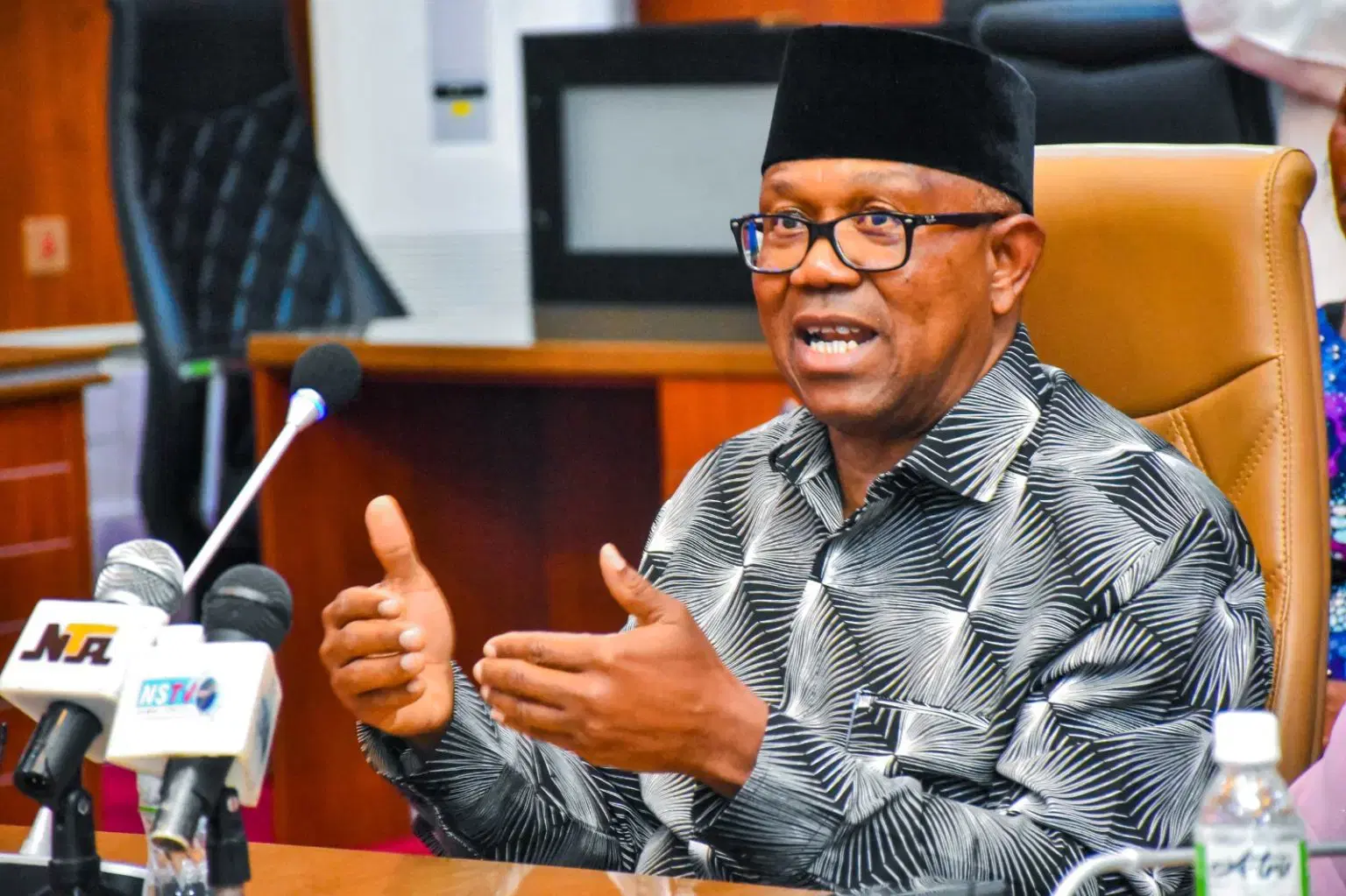
Peter Obi, a prominent political figure, has articulated his preparedness to lead Nigeria in the 2027 general elections, emphasising comprehensive planning, policy focus, and structured governance strategies. Obi’s statement, delivered in the context of a competitive electoral landscape, underscores the significance of clarity, operational readiness, and institutional competence in national leadership.
Analysts observe that articulating leadership preparedness involves more than public statements; it requires demonstrable plans for governance, clear policy frameworks, and the ability to mobilize and manage institutional resources effectively. Obi’s position underscores a focus on long-term economic management, social development, and governance integrity, highlighting his approach to structured national leadership.
The emphasis on readiness also reflects broader considerations of institutional capacity and electoral strategy. Nigeria’s federal structure, diverse electorate, and complex policy environment necessitate leaders who can navigate administrative challenges, coordinate across levels of government, and implement coherent policies that address socio-economic priorities. Strategic preparedness ensures that proposed initiatives are realistic, implementable, and sustainable.
Political observers note that preparedness encompasses engagement with key stakeholders, policy formulation, and the capacity to respond to emerging national issues. Transparent communication of objectives, anticipated outcomes, and mechanisms for accountability contributes to public confidence and enhances institutional credibility. Leaders who articulate clear, evidence-based strategies enable citizens and institutions to assess governance capacity effectively.
Economic management remains central to leadership preparedness. Policies addressing fiscal stability, employment generation, and infrastructure development form a critical part of national planning. By highlighting readiness in these areas, Obi positions himself as a candidate focused on sustainable growth, efficient public service delivery, and long-term societal progress.
Institutional considerations are equally important. Effective governance relies on competent administration, adherence to legal frameworks, and mechanisms that reinforce accountability and transparency. Articulating preparedness signals attention to these structural elements, reinforcing the credibility of proposed leadership and aligning with citizen expectations of responsible governance.
Public engagement and institutional feedback are also essential. Leaders who demonstrate readiness typically engage in consultations with civil society, sectoral experts, and regulatory bodies to ensure that policy proposals are feasible and aligned with institutional capacities. This collaborative approach strengthens both policy design and implementation potential.
Challenges to effective national leadership include socio-political diversity, regional disparities, and evolving economic conditions. Addressing these challenges requires both strategic foresight and operational flexibility, allowing leadership to respond effectively to emerging national needs. Statements of preparedness, therefore, must be supported by demonstrable plans that can be operationalized within existing institutional frameworks.
In conclusion, Peter Obi’s articulation of readiness for the 2027 elections highlights the intersection of strategic planning, institutional competence, and public accountability in national leadership. By emphasizing structured governance, policy coherence, and operational preparedness, the statement reinforces the broader importance of capable administration in ensuring economic stability, social progress, and national cohesion. Clear articulation of leadership preparedness provides citizens and institutions with a framework to evaluate governance capacity and potential contributions to Nigeria’s sustainable development trajectory.