






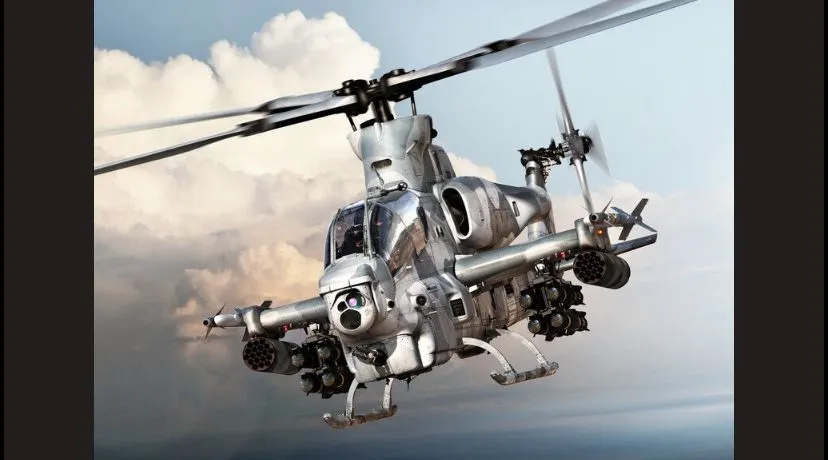
The Federal Government has confirmed that the Chief of Air Staff, Air Marshal Hassan Abubakar, is currently in the United States as part of ongoing efforts to strengthen the operational capacity of the Nigerian Air Force through the planned acquisition of attack helicopters. The visit is linked to high level engagements with defence partners and manufacturers.
According to official information from defence authorities, the trip is focused on finalising discussions around the procurement process, technical specifications, training requirements, and delivery timelines for the aircraft. The helicopters are intended to support Nigeria’s counter insurgency, anti banditry, and internal security operations across several regions.
The Nigerian Air Force has, in recent years, prioritised fleet modernisation as part of broader defence reforms aimed at improving air support for ground troops and enhancing rapid response capabilities. Security challenges involving insurgency, banditry, and armed criminal networks have increased the demand for precision air assets capable of operating in difficult terrain.
Defence officials noted that the engagement in the United States includes consultations on maintenance frameworks, logistics support, and pilot training programmes. These components are considered critical to ensuring that new platforms are effectively integrated into existing operations without creating long term sustainability challenges.
The Federal Government has repeatedly stated that security sector investments are guided by assessed operational needs and budgetary considerations. Lawmakers and security analysts have also emphasised the importance of transparency and value for money in defence procurement, given the scale of public resources involved.
Air power has played a central role in recent military operations, particularly in providing intelligence, surveillance, reconnaissance, and close air support. Military sources say the acquisition of additional attack helicopters is expected to expand coverage and reduce response times in remote and high risk areas.
The visit comes amid continued public scrutiny of defence spending and calls for measurable improvements in security outcomes. Analysts note that while equipment acquisition is important, effectiveness also depends on coordination, intelligence sharing, and accountability within the security architecture.
The Nigerian Air Force has indicated that further details on the procurement process will be communicated through appropriate government channels once engagements are concluded. Observers say the outcome of the visit will be closely watched as part of broader efforts to address Nigeria’s evolving security challenges through institutional strengthening and capability development.