





Some Nigerians living in the United States are self-deporting or going into hiding in response to an intensified deportation campaign led by US Immigration and Customs Enforcement (ICE), residents and community representatives said.
The situation has disrupted daily life for many immigrants, according to interviews with Nigerians in several US cities.
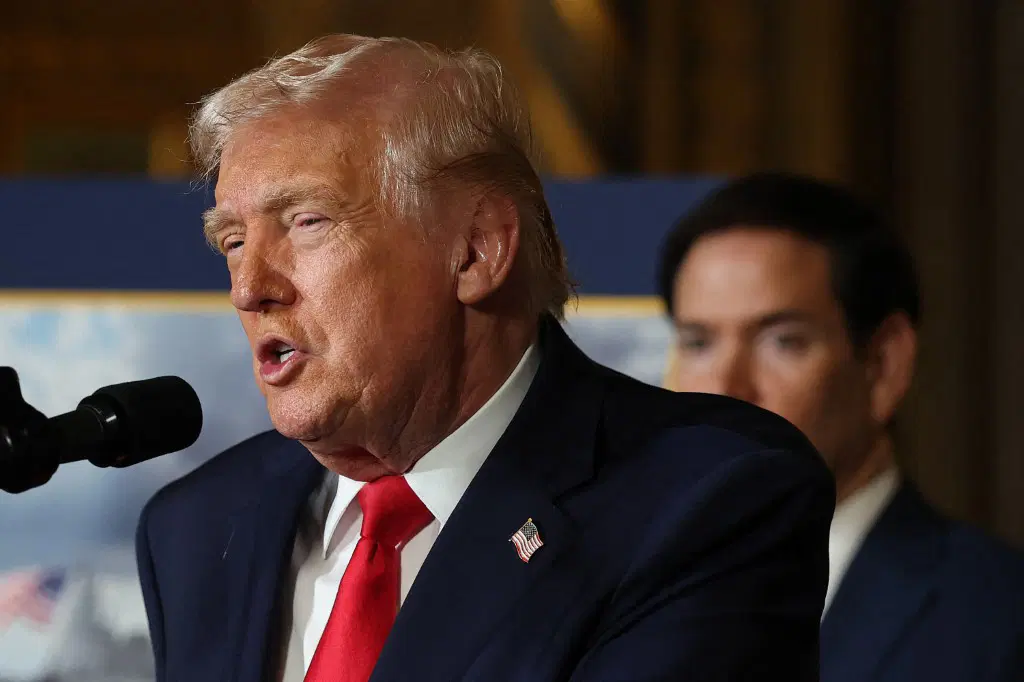
Since his inauguration in January 2025, US President Donald Trump has overseen a renewed and expanded immigration enforcement strategy involving aggressive ICE operations to identify, detain and remove undocumented migrants.
These efforts have included house-to-house enforcement and rapid deportations, drawing criticism from immigrant communities and rights advocates. Reports indicate that tens of thousands of individuals have been detained and deported under the policy, and that 2025 was the deadliest year in decades for deaths in ICE custody.
The heightened enforcement has created fear among immigrant communities, including Nigerians living in the United States, who face uncertainty over their immigration status and potential removal.
Several Nigerians interviewed by PUNCH and other media said they have stopped going to work, minimized travel and modified daily activities due to fear of ICE raids.
A woman, identified only as a “senior immigrant”, described remaining indoors and relying on online trading and home-based businesses after witnessing enforcement actions in her community.
Some Nigerians are choosing to return to Nigeria discreetly rather than wait for possible detention and deportation orders.
Community leaders, including the President of the Nigerian community in Maryland, Mrs. Chris Ademiluyi, said many immigrants are in hiding instead of openly travelling, citing fear and concern for personal safety.
Community organisers and immigration advocates in the US, such as the Nigerian Center in Washington DC, reported a surge in requests for legal advice as immigrants seek to understand their options under evolving policies.
The organisation’s executive director, Mr. Gbenga Ogunjimi, said many Nigerians are weighing whether to remain in the United States or return home.
Deaths during ICE custody and enforcement operations have heightened anxiety. At least 32 individuals died in ICE detention in 2025, the highest number in over 20 years, with further deaths reported in early 2026 linked to enforcement interactions.
The fear induced by intensified ICE raids has disrupted the economic activities and social networks of Nigerian migrants, prompting some to abandon work and retreat from public engagement.
The trend of self-deportation and hiding also highlights the psychological impact of aggressive immigration enforcement on immigrant communities.
Legal restrictions, including visa suspensions and tightened immigration policies affecting Nigerians, have compounded these stresses by limiting lawful pathways for residency, work authorisation or asylum.
The situation underscores broader tensions in US immigration policy and its effects on foreign-born communities.
As the Trump administration’s immigration enforcement campaign intensifies, some Nigerians in the United States are choosing to self-deport or avoid public life out of fear of ICE raids and potential deportation.
Community leaders and legal advocates report heightened anxiety and changing behaviour among migrants as they weigh options for safety, legal status and potential return to Nigeria.