





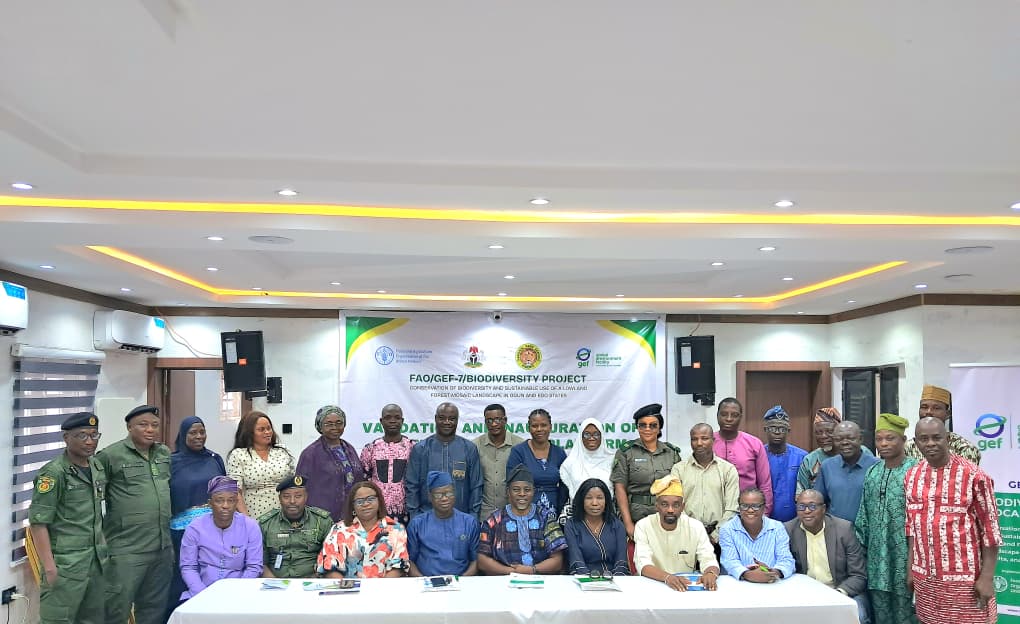
The call was issued during the validation and inauguration of Multi‑Stakeholder Platforms and the Biodiversity Needs Assessment Study on Conservation of Biodiversity and Sustainable Use of the Lowland Forest Mosaic Landscape in Ogun and Edo States, held in Abeokuta.
The event was organised by the Nigeria National Park Service in collaboration with the Food and Agriculture Organisation and the Global Environment Facility under the GEF‑7 Project.
The programme also launched the GEF‑7 Biodiversity Project aimed at conserving Nigeria’s lowland forests and supporting local livelihoods around those ecosystems.
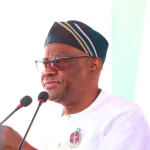
Prof. Segun Oladoye, Chief Technical Adviser for the GEF‑7 Project, presented an overview of Nigeria’s biodiversity, noting the country’s range of ecosystems that support agriculture, water resources, health, tourism, and industrial development.
He cited data showing Nigeria hosts large numbers of species, including more than 775 fish species, 285 mammal species, over 4,700 plant species, 864 bird species, 203 reptile species, and 117 amphibian species.
According to Prof. Oladoye, many of these species are under threat from habitat loss, unsustainable practices, pollution, and climate change.
The GEF‑7 Biodiversity Project, he said, will focus on four components: integrated landscape planning and management; biodiversity conservation and restoration; sustainable practices and livelihoods in connected productive areas; and knowledge management, monitoring, and evaluation.
Prof. Oladoye said the project’s programme emphasises “maintaining biodiversity for food and agriculture, promoting the sustainable use, conservation, and restoration of marine, terrestrial, and freshwater ecosystems and their services through the adoption of targeted policies and practices.”
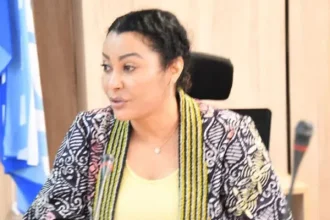
In her goodwill message, Ogun State Commissioner for Women Affairs Motunrayo Adeleye, represented by Mrs. Olayemi Osilaja, Director of Administration and Supply, stressed the importance of educating women about the project.
She said that training women would indirectly benefit children and the wider community and noted that effective monitoring is essential for project success.
The experts’ appeal underscores biodiversity’s role in supporting food systems and economic sectors dependent on ecosystem services.
If biodiversity loss continues, the productivity of agriculture, water availability for farming and communities, and resilience against environmental changes may be affected.
The launch of the GEF‑7 Biodiversity Project also indicates increased attention by national and international partners to integrate conservation with sustainable livelihoods, particularly for communities living in and around Nigeria’s lowland forest landscapes.