




The Nigerian Economic Summit Group (NESG) says the 2027 general elections may pose the biggest test yet to Nigeria’s economic reforms. The group said political cycles can weaken reform gains if policymakers allow short-term interests to override long-term plans.
NESG officials spoke on the issue in Abuja on Wednesday while presenting their 2026 Macroeconomic Outlook.
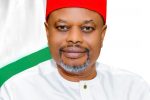
At the event, NESG Chief Economist Dr. Omishakin said many countries lose hard-earned reform gains when elections draw near.
He explained that governments often relax discipline, make inconsistent policies and reverse earlier decisions as political activity increases. “Election cycles are usually the most difficult moments for reforms,” he said.
Omishakin said Nigeria is now in a critical consolidation phase following stabilisation reforms carried out between 2023 and 2025. He said 2026 must be used to solidify those progress points before the intensity of politics in 2027 begins. He warned that without continued focus, gains made so far could be lost.
NESG officials noted that Nigeria’s economic growth remains below desired transformation levels, with real GDP growth around 3.8 per cent.
They said reaching projected 5.5 per cent growth in 2026 depends on sustaining key reforms, including macroeconomic discipline, exchange rate stability and inflation control. These policy measures, they added, must be upheld even as political campaigns pick up pace.
The think tank urged policymakers to resist short-term incentives that could derail reform progress. It said policymakers should focus on institutionalising reforms, strengthening economic structures, and maintaining consistency across fiscal and monetary policies through election periods
NESG also called on the private sector and development partners to stay engaged and support the reform agenda. It said broader stakeholder participation can help ensure that reforms become resilient, irrespective of political changes.
The group’s warning highlights the link between political stability and economic performance, noting that how Nigeria manages the transition to the 2027 elections could determine whether recent reforms endure or are rolled back under electoral pressures.