




Nigeria’s teaching hospitals and tertiary health institutions are on the brink of a significant disruption as the National Association of Resident Doctors (NARD) prepares to commence an indefinite strike from midnight on January 12, 2026, raising concerns about patient care continuity and hospital operations nationwide.
The looming action follows unresolved welfare and professional demands, intensifying tension between health workers and the Federal Government.
Healthcare facilities from Lagos State University Teaching Hospital (LASUTH) and Lagos University Teaching Hospital (LUTH) to Federal Medical Centre (FMC) Ebute Metta, Federal Neuro-Psychiatric Hospital Yaba, and the National Orthopedic Hospital Igbobi have already reported signs of anxiety and operational strain among staff and patients.
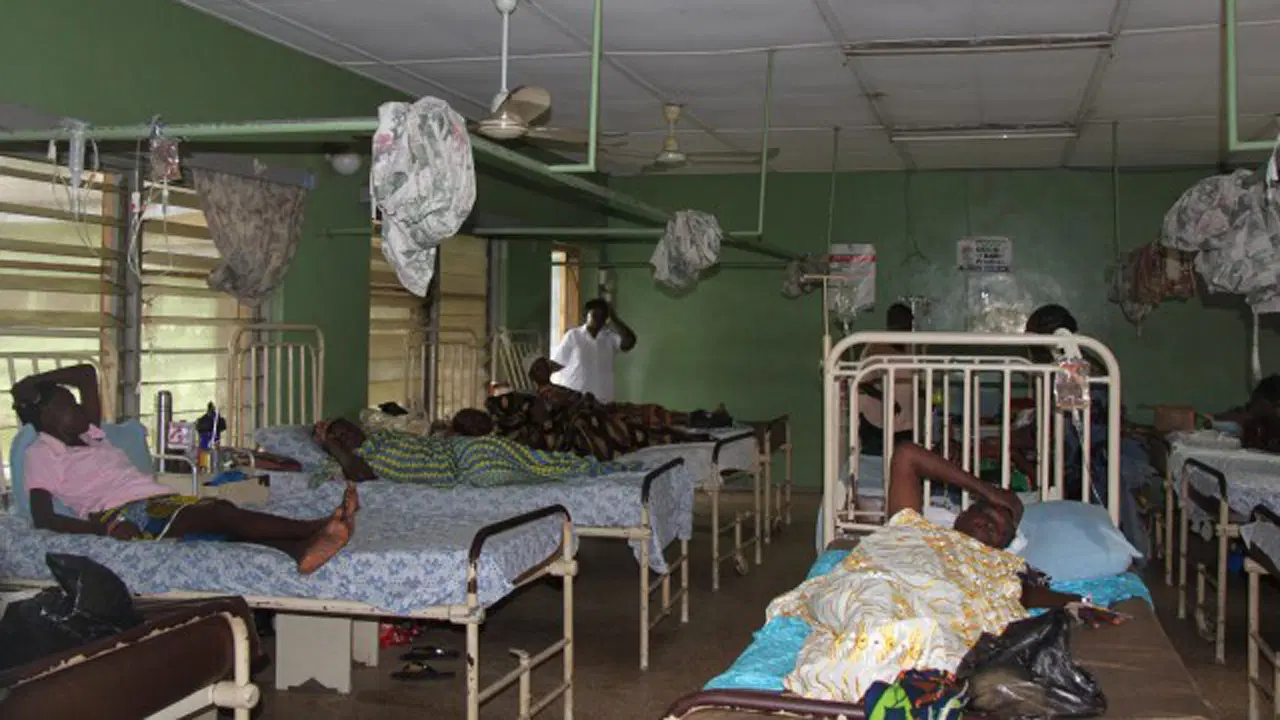
Wards that typically host critical care activities have become quieter, with consultants and patients attempting last-minute consultations or early reviews ahead of potential service disruption.
NARD attributes the impending strike to the Federal Government’s failure to fully implement welfare and professional commitments contained in a November 2025 Memorandum of Understanding (MoU) with the government, which addressed issues ranging from salary arrears to promotion and specialist allowances.
The union’s leadership has argued that partial or unfulfilled implementation left members with no option but to resume industrial action.
In contrast, the Federal Government, through the Minister of State for Health and Social Welfare, Dr. Iziaq Salako, maintains that many of the demands are structural and policy-related and are being addressed through continued dialogue and collective bargaining processes.
Government representatives have cited expanded allowances for health workers and ongoing consultations as part of efforts to avert service disruptions.
Amid the preparations for strike action, representatives of medical associations have voiced deep concern about the effects on patients.
Dr. Saheed Babajide, Lagos State Chairman of the Nigerian Medical Association (NMA), warned that any deaths resulting from disrupted services would be attributable to unresolved issues with the Federal Government, emphasising the critical role of resident doctors in tertiary health delivery.
Families of patients have expressed mounting anxiety and uncertainty over continuity of treatment. Mrs. Patience Adebayo, whose mother is admitted at LUTH, said relatives are deeply unsettled by the potential loss of clinical care continuity as the strike nears.
The unfolding situation places enormous pressure on Nigeria’s healthcare system, which already grapples with the implications of prior industrial actions by the Joint Health Sector Union (JOHESU) and other professional groups.
A nationwide strike by resident doctors, who constitute a substantial proportion of medical personnel in tertiary institutions, could severely limit access to emergency care, specialist consultations, surgeries, and routine treatments.
As government and union leaders continue negotiations, the health sector anticipates crucial decisions that will determine whether the strike proceeds and how potential service gaps might be mitigated to protect patient welfare and system stability.