


An industrial action by the Joint Health Sector Unions (JOHESU) has entered its third month, crippling services in government‑owned hospitals nationwide and leaving many patients without access to essential care, medical sources said on Monday in Abuja.
Health workers’ strikes are a recurring challenge in Nigeria’s public health sector. The current industrial action, declared by JOHESU in November 2025, followed unresolved demands for an upward adjustment of the Consolidated Health Salary Scale for health professionals, a dispute that has persisted for years.
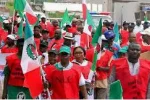
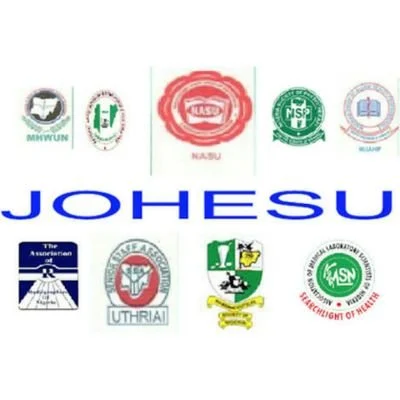
JOHESU, which includes the Medical and Health Workers’ Union of Nigeria, the Nigeria Union of Allied Health Professionals and other affiliate unions, directed members to withdraw services from federal hospitals beginning mid‑November.
Hospitals affected include teaching facilities and tertiary centres in major cities, where outpatient services, laboratories and pharmacies have been largely paralysed.
The strike action has severely disrupted core support services within public hospitals. In many federal facilities, pharmacy counters, laboratories and non‑clinical departments have shut down, forcing patients to seek diagnostics and medicines outside government hospitals or turn to private facilities.
Observers noted that state‑owned institutions in some states, including Ekiti and Benue, have continued operations, as workers there stayed on duty despite the nationwide JOHESU strike.
In Ekiti, some resident doctors, nurses and midwives have also gone on separate industrial actions citing unpaid salaries and poor infrastructure.
Health union leaders say the absence of critical non‑medical staff, including cleaners, technicians and laboratory personnel, has left many facilities incapacitated, with hospitals appearing largely inactive even where doctors remain present.
They argue that all categories of workers are vital to the functioning of hospital services.
The strike has also been linked to significant financial losses for institutions. At Obafemi Awolowo University Teaching Hospital in Ile‑Ife, hospital administrators estimated losses in internally generated revenue due to the downturn in patient attendance and restricted operations.
The prolonged industrial action has placed additional pressure on private healthcare providers, where patient patronage has risen markedly as those denied services at public facilities seek alternative care.
Some patients have reported difficulties accessing routine and emergency treatments because essential departments in government hospitals are non‑functional.
Healthcare professionals say the strike threatens broader public health outcomes, particularly for vulnerable populations that depend on free or subsidised services at government institutions. Concerns have also been raised about training disruptions for medical personnel due to the halt in practical services.
Efforts by labour groups such as the Trade Union Congress to challenge government policies like “no work, no pay” have added to tensions, with unions urging withdrawal of such directives as conditions for ending the strike.
The extended strike by the Joint Health Sector Unions continues to ground key services in Nigeria’s federal hospitals, disrupting patient care and shifting demand to private facilities.
Health workers and government officials remain in a deadlock over longstanding salary structure demands, prolonging the impact of the industrial action on the nation’s public healthcare system.