





The Economic Community of West African States (ECOWAS) Community Court of Justice has lamented that Nigeria and other member states have failed to enforce its judgments, and has begun bilateral engagement with Nigerian authorities to discuss mechanisms aimed at improving compliance, the court said at a meeting in Abuja.
The ECOWAS Community Court of Justice is a regional judicial institution established under the ECOWAS Revised Treaty to hear disputes involving member states and individuals concerning regional law, human rights and community obligations.
Member states are bound under regional protocols to comply with rulings of the court.
In recent years, the court has delivered several decisions requiring member states to take specific actions in areas including human rights, procedural justice and legal reform. However, compliance levels vary among countries.
At a meeting convened in Abuja from February 16 to 18, 2026, the ECOWAS Court and Nigerian judicial and government officials discussed the status of enforcement of the court’s judgments.
The engagement was part of activities commemorating the 50th anniversary of ECOWAS and aimed at strengthening cooperation and enforcement frameworks.
President of the ECOWAS Court, Honourable Justice Ricardo Gonçalves, said that Nigeria and other member states have not implemented many court judgments, which has hindered the effectiveness of the regional justice system.
Justice Gonçalves emphasised that the court’s decisions on human rights and other obligations are not binding unless enforced by member states and said enforcement mechanisms must be strengthened.
Data presented at the meeting showed that out of hundreds of cases before the court, only a minority of enforceable judgments had been implemented by member states. Nigeria was among the countries with a notable backlog of unenforced judgments.
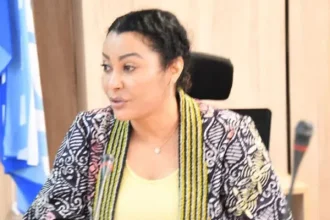
The Nigerian Chief Justice of Nigeria (CJN) attended the meeting and acknowledged the importance of enforcing regional court decisions. She called on all stakeholders to develop guidelines and cooperation frameworks that would facilitate implementation of ECOWAS Court judgments within Nigeria.
The discussion between the ECOWAS Court and Nigerian authorities highlights ongoing challenges within the West African regional legal system regarding enforcement of supranational rulings.
Gaps in enforcement of court judgments can affect the credibility of regional mechanisms designed to protect human rights and ensure compliance with community law across member states.
The bilateral engagement is intended to create shared procedures and strengthen cooperation between the court and Nigeria’s competent national authorities, including judicial and executive branches.