






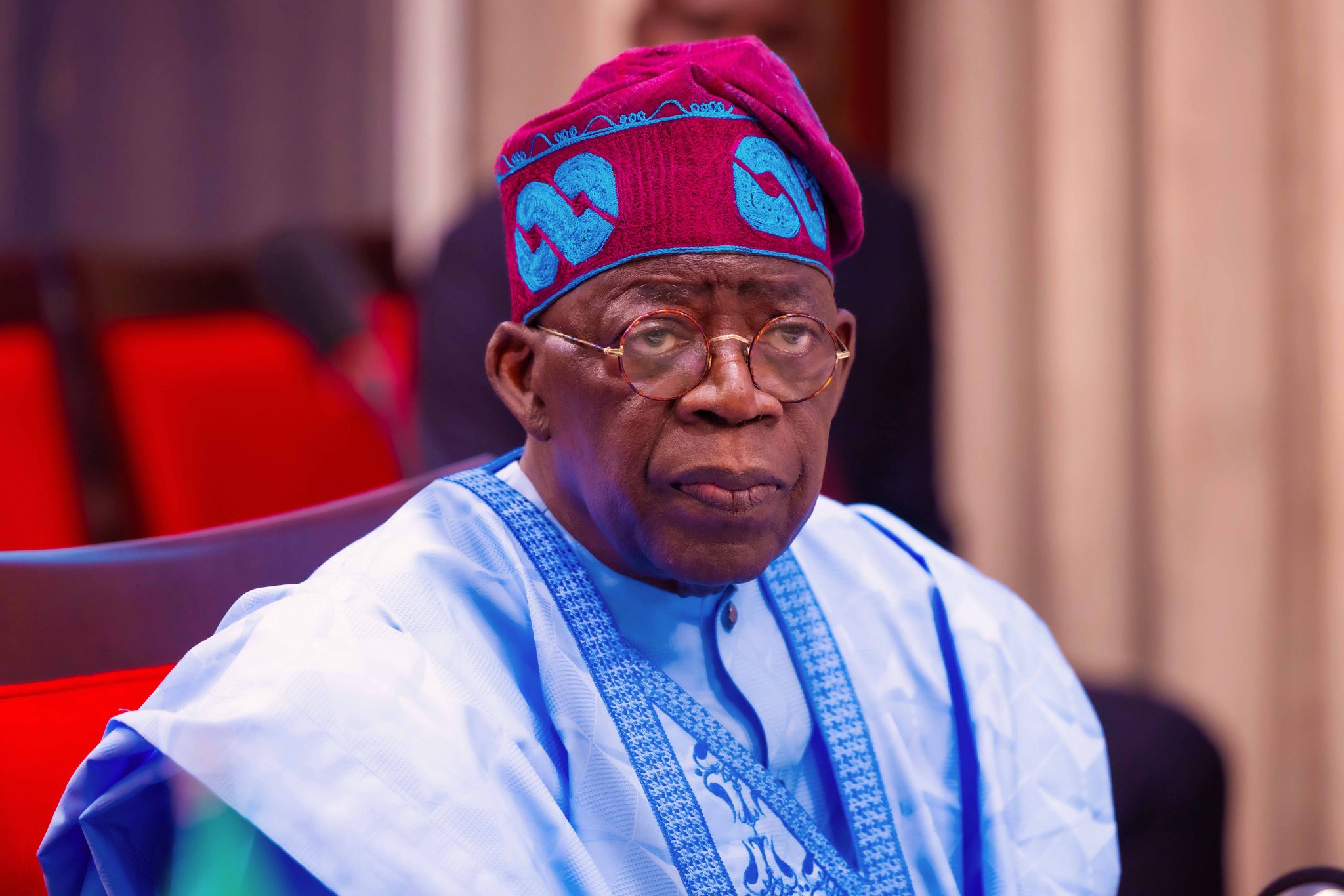
President Bola Tinubu has called for a fairer global financial system that better reflects African economies, asserting that the continent faces disproportionately high borrowing costs driven by current international credit rating assessments, the president said in an opinion article.
Tinubu made the call in an opinion piece published in the Financial Times, where he outlined concerns about how dominant global credit rating agencies classify African sovereign risk.
He said that the so-called “Africa premium,” the difference between how African economies are rated and their underlying fundamentals, has led to higher interest rates and restricted access to international capital markets.
Africa’s reliance on external financial systems and institutions, including global rating agencies and international capital markets, has long been a topic of discussion among policymakers, researchers and regional leaders seeking to improve investment flows and economic growth across the continent.
In the Financial Times article, Tinubu argued that African nations are “paying too much to borrow” because credit risk assessments by major agencies often do not align with local economic realities.
He noted that only a small number of African countries currently hold investment-grade ratings, even as regional growth projections by institutions such as the International Monetary Fund indicate that the continent is among the fastest-growing globally.
Tinubu cited estimates that the mismatch in sovereign risk evaluation can cost African countries billions of dollars annually in higher interest payments and reduced access to financing.
To address these challenges, Tinubu called for establishing an Africa-owned credit rating agency that would “complement, not replace” existing global firms, aiming to provide assessments that better reflect local economic conditions and reduce reliance on external judgements.
He said the proposed agency could deliver more timely and locally informed assessments, enabling African countries to obtain financing on terms more aligned with their economic performance.
The article also noted Iran’s overdependence on three dominant global rating agencies — Fitch Ratings, Moody’s and S&P Global Ratings. Whose methodologies can, according to Tinubu, overlook qualitative factors and local nuances important to sovereign creditworthiness.
Tinubu’s call highlights concern among African policymakers about structural barriers to competitive access to international financial markets, especially sovereign debt financing.
If adopted, an Africa-owned credit rating agency could alter how African sovereign creditworthiness is evaluated, potentially affecting borrowing costs for governments and influencing investor confidence.
The president’s proposal aligns with broader continental efforts, such as the promotion of the Pan-African Payment and Settlement System (PAPSS), aimed at deepening regional financial integration and reducing reliance on external intermediaries.
Calls for financial reform also intersect with other regional initiatives to strengthen Africa’s role in global economic governance, as seen in previous statements by Tinubu at summits advocating for equity in global trade and finance.