



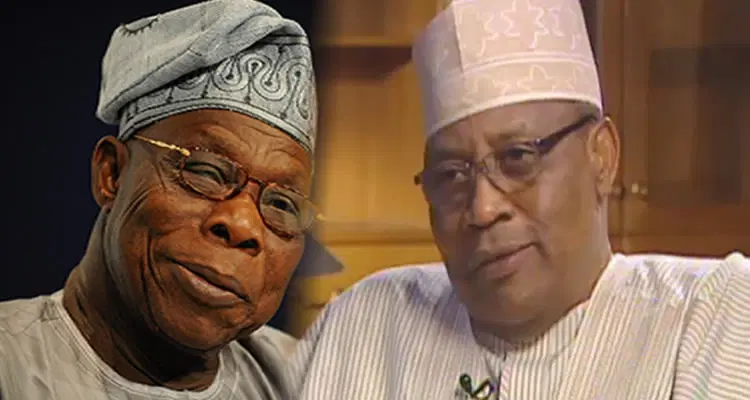
The Federal Government has spent about ₦38.188 billion on the welfare and entitlements of former presidents, heads of state, vice presidents and equivalent officers over a 22-year period, budget records show. This includes provisions in annual budgets from 2005 through 2026 for pensions, allowances, security and official facilities.
The figure, equivalent to approximately $144.722 million at prevailing exchange rates, was revealed in details contained in the 2026 Appropriation Bill and historical budget allocations. The annual allocation for these entitlements has been steady at ₦2.3 billion since 2013, covering both civilian and military former leaders.
Beneficiaries include former civilian presidents Olusegun Obasanjo, Goodluck Jonathan and Muhammadu Buhari, as well as retired military heads of state Yakubu Gowon, Ibrahim Babangida and Abdulsalami Abubakar. Former vice presidents listed in the entitlement schedule include Atiku Abubakar, Namadi Sambo, and Yemi Osinbajo.
The average annual allocation also extends to other former leaders such as Commodore Ebitu Ukiwe, who served as de facto vice president during the Babangida era, and families of deceased former leaders who are entitled to benefits under law.
Budget documents also show that the Office of the Secretary to the Government of the Federation allocated additional funds in past years for official vehicles for a range of former leaders, including ₦986.19 million between 2016 and 2018, and ₦432.193 million in 2017 specifically for vehicle purchases.
Members of the Council of State also receive allowances of ₦500,000 for each meeting attended, with meetings held at least twice yearly.
The earliest allocation on record was ₦140 million in 2005, with the allocation rising gradually through the late 2000s and stabilising at ₦2.3 billion annually from 2013 to 2026. The highest single allocation recorded was ₦3.185 billion in 2012 under the administration of Goodluck Jonathan. The lowest was ₦24 million in 2008.
The entitlement regime stems from legislation first introduced in 1999 and later amended to provide for pensions and other benefits for former presidents, heads of state and their deputies.
The law mandates provision for security aides, administrative staff, official residences, offices, vehicles, medical support within Nigeria and abroad, and annual vacations. Benefits are subject to review whenever there is an increase in the salaries of the serving president and vice president.
Pension benefits under the current legal framework also extend to families of deceased former leaders, with provisions for up-keep allowances and education support for children up to university level, though a spouse may lose entitlement if they remarry.
The long-term federal spending on ex-leaders reflects statutory obligations and efforts to maintain the dignity of former officeholders. However, such expenditures often form part of broader public discussions on fiscal priorities and public sector spending, especially in contexts of competing needs for infrastructure, health and education funding.
The 2026 budget documents show the continuation of these provisions alongside other national expenditure priorities.
By analysing decades of budget allocations, the data highlights how statutory entitlements for former national leaders represent a consistent item in federal spending, with implications for discussions on budgeting, governance and public financial management.