



The Federal Government has called for the establishment of sanitary pad banks in schools across Nigeria to help prevent girls from missing classes and examinations because of menstruation.
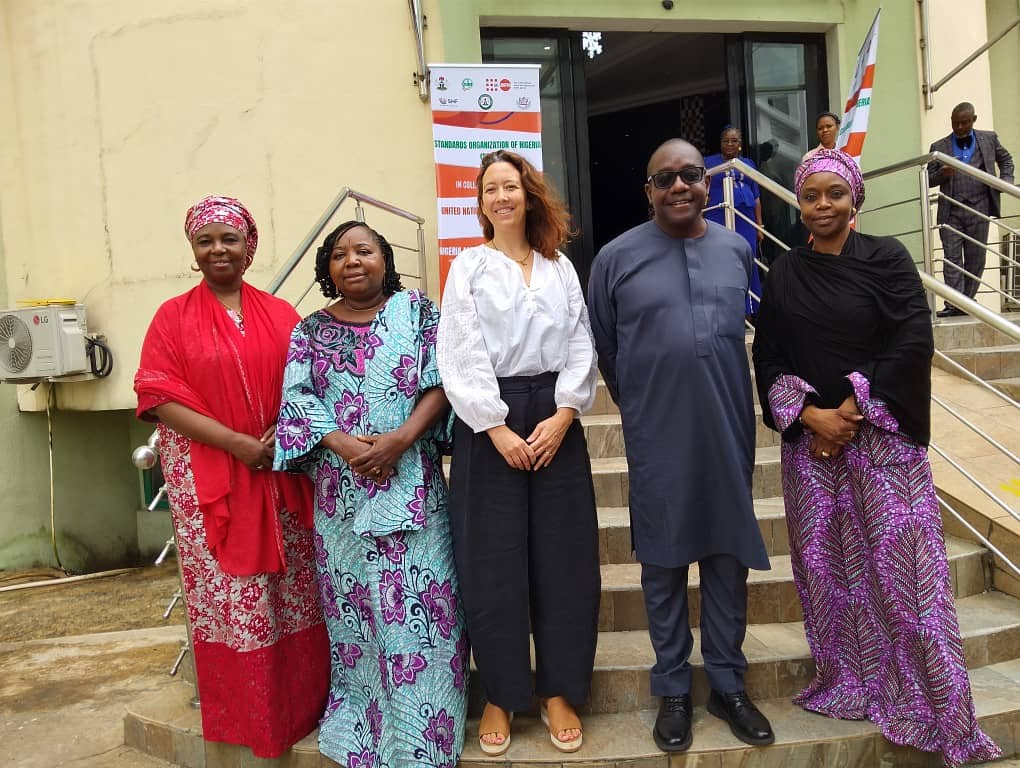
Deputy Director of the Child Development Department at the Federal Ministry of Women Affairs and Social Development, Mrs Mariam Shaibu, made the call on Thursday at the Nigeria Menstrual Health Product Forum 2026 in Lagos.
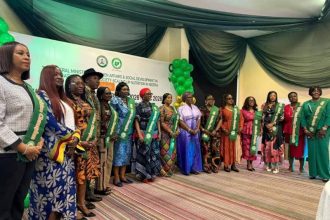
The forum, themed “Driving Standards and Policy Reform for Affordable Menstrual Products,” brought together stakeholders seeking reforms to make menstrual products safer, standardised and more affordable.
Shaibu said the rising cost of menstrual products, poor access to quality sanitary materials and inadequate water, sanitation and hygiene facilities were worsening period poverty among women and girls.
“We are calling on governments, CSOs, donors, philanthropists and foundations to come and support our girls,” she said.
According to her, sanitary pad banks would provide emergency access to menstrual products for girls who begin their periods at school without adequate supplies, particularly those from families struggling to afford them.
She said the initiative could be sustained through government social-protection programmes, Parent-Teacher Associations, foundations, individual donors and philanthropists.
Shaibu added that some schools and non-governmental organisations had already begun establishing pad banks, urging more organisations and individuals to adopt schools and provide regular supplies.
The ministry official, however, stressed that supplying sanitary pads without improving school facilities would not adequately address menstrual health challenges.
She said schools also needed reliable water, sanitation and hygiene facilities, as well as appropriate systems for disposing of used menstrual products.
“If we flood schools with pads, how are they going to dispose of them if we don’t bring the environment to make sure that there’s an incinerator or the right disposal methods?” she asked.
She also disclosed that Nigeria’s National Policy on Menstrual Health and Hygiene Management had undergone consultations across the six geopolitical zones and had been validated.
According to her, efforts are now underway to secure Federal Executive Council approval before the policy is subsequently adopted by states.
UNFPA Gender/GBV Management Specialist, Dr Zubaida Abubakar, said menstrual health required more than simply providing sanitary products.
She said women and girls also needed accurate information, adequate WASH facilities and safe environments where menstruation could be managed with dignity.
Abubakar added that UNFPA was working with stakeholders to examine taxes, duties and levies affecting menstrual-product manufacturers and importers, with the aim of reducing production costs and improving affordability.
The World Bank estimates that about 24 per cent of Nigerian schoolgirls regularly miss school because of inadequate menstrual materials and WASH infrastructure, while UNICEF estimates that about 37 million Nigerian women and girls experience period poverty.
Also speaking, the Director-General of the Standards Organisation of Nigeria, Dr Ifeanyi Chukwunonso Okeke, represented by the agency’s Director of Corporate Affairs, Mrs Talatu Ethan, stressed the need to ensure that menstrual products are both safe and affordable.
“Quality and affordability must not be treated as competing objectives,” he said.